Helen Fielding’s Bridget Jones’s Diary: A Modern Classic
Bridget Jones’s Diary by Helen Fielding: Quick Answer
- Bridget Jones’s Diary by Helen Fielding is a landmark contemporary novel that uses a diary format to satirize societal pressures and the search for self-acceptance in late 20th-century London.
- Its core strength lies in its relatable, flawed protagonist whose candid narration provides both humor and sharp social commentary.
- This book is recommended for readers who appreciate witty, character-driven narratives with a strong dose of social observation, but may not appeal to those prioritizing intricate plots.
Who This Is For
- Readers interested in seminal works of contemporary fiction that explore modern anxieties around relationships, career, and personal identity.
- Individuals who enjoy humor derived from awkward social situations and a self-aware, albeit often misguided, protagonist.
What to Check First
- Narrative Voice: The novel’s effectiveness hinges on its intimate, first-person diary format. Assess your comfort with a narrator who is candid, sometimes unreliable, and deeply introspective.
- Humor Style: Fielding’s humor is observational and rooted in relatable social faux pas and self-deprecation. Determine if this style of wit aligns with your preferences.
- Thematic Relevance: Consider your interest in themes such as societal expectations for women, the pressures of single life, career anxieties, and the complexities of romantic relationships.
- Pacing: This is a character-focused novel with an episodic structure driven by daily entries, rather than a fast-paced, plot-heavy narrative.
Step-by-Step Plan for Appreciating Bridget Jones’s Diary
1. Establish Bridget’s Starting Point: Begin by reading the initial diary entries to understand Bridget’s current life circumstances, her age, her career, and her immediate concerns.
- Action: Focus on her stated resolutions (e.g., weight, smoking, drinking) and her internal monologue.
- What to Look For: The clarity of her voice, her self-imposed “rules,” and her initial assessment of her social and romantic standing.
- Mistake to Avoid: Dismissing her daily tallies as mere trivialities; these are foundational to understanding her character and the novel’s thematic concerns.
2. Identify Key Relationships and Dynamics: As you progress, observe Bridget’s interactions with her core social circle: friends, family, and romantic interests.
- Action: Track Bridget’s perceptions of these individuals and how her relationships evolve.
- What to Look For: The contrasting personalities of Mark Darcy and Daniel Cleaver, the supportive nature of her friends, and her mother’s often misguided advice.
- Mistake to Avoid: Underestimating the influence of Bridget’s friendships; these relationships serve as crucial anchors and foils throughout the narrative.
3. Analyze Bridget’s “Self-Improvement” Efforts: Note Bridget’s recurring attempts to achieve personal goals, such as quitting smoking, moderating alcohol, and managing her weight.
- Action: Observe the specific goals she sets and her success (or frequent lack thereof) in achieving them.
- What to Look For: The recurring “Shag, Marry, Avoid” lists, her calorie and alcohol consumption logs, and the humorous setbacks she encounters.
- Mistake to Avoid: Viewing her efforts solely as superficial comedy; they represent a genuine, albeit flawed, desire for self-control and personal validation.
4. Decipher the Social Commentary: Pay attention to Fielding’s subtle critiques of societal expectations for women, particularly those in their late twenties and early thirties.
- Action: Look for instances where Bridget feels pressure to marry, conform to professional norms, or meet certain appearance standards.
- What to Look For: The portrayal of office politics, the judgment Bridget faces regarding her single status, and the idealized images presented in media.
- Mistake to Avoid: Reading the novel as purely a personal diary without recognizing the broader societal observations Fielding is making about her time.
5. Track the Romantic Entanglements: Follow the development of Bridget’s relationships with Mark Darcy and Daniel Cleaver.
- Action: Note Bridget’s initial impressions of each man and how her understanding shifts over the course of the narrative.
- What to Look For: The narrative’s play with classic romantic tropes, the genuine flaws and appeals of each character, and Bridget’s own active role in these dynamics.
- Mistake to Avoid: Forming definitive judgments about the romantic partners too early; the narrative intentionally manipulates reader perception.
6. Evaluate Bridget’s Personal Growth: Assess how Bridget evolves from the beginning of the diary to its conclusion.
- Action: Consider what lessons she learns and how her perspective on herself and her life changes.
- What to Look For: Increased self-awareness, a greater sense of agency, and a more nuanced understanding of happiness beyond societal benchmarks.
- Mistake to Avoid: Expecting a complete personality overhaul; her growth is often incremental and realistic, reflecting ongoing personal development.
If you’re looking for a witty and relatable read, Bridget Jones’s Diary by Helen Fielding is a must-have. This novel perfectly captures the anxieties and humor of modern single life.
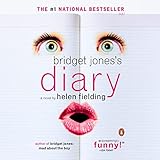
- Audible Audiobook
- Helen Fielding (Author) - Imogen Church (Narrator)
- English (Publication Language)
- 01/21/2025 (Publication Date) - Penguin Audio (Publisher)
Common Mistakes to Avoid
- Mistake: Dismissing Bridget as a shallow character solely focused on men and weight.
- Why it Matters: This perspective overlooks the novel’s deeper exploration of societal pressures and the universal quest for self-acceptance.
- Fix: Recognize that Bridget’s preoccupations are a direct reflection of the anxieties and expectations placed upon women in the 1990s, making her struggles a poignant commentary.
- Mistake: Viewing the novel as merely lighthearted fluff with no significant literary merit.
- Why it Matters: This diminishes the book’s impact as a widely referenced work and its sophisticated use of satire and voice.
- Fix: Appreciate the novel’s sharp wit, its masterful use of the diary format to create intimacy and humor, and its enduring influence on contemporary fiction and media.
- Mistake: Assuming the novel’s relevance is limited to women in their late twenties or early thirties.
- Why it Matters: This unnecessarily restricts the book’s appeal and overlooks the universality of its core themes.
- Fix: Understand that the themes of self-discovery, navigating relationships, career uncertainty, and societal pressures are relevant across a broader audience and different life stages.
Bridget Jones’s Diary by Helen Fielding: A Deep Dive
Helen Fielding’s Bridget Jones’s Diary by Helen Fielding, published in 1996, emerged as a significant voice in contemporary British literature, offering a candid and humorous examination of single womanhood in London. Drawing loose inspiration from Jane Austen’s Pride and Prejudice, the novel updates themes of societal pressure and the search for a suitable partner for the modern era, replacing drawing rooms with office parties and societal expectations with career ambitions and the complexities of casual dating. The novel’s primary strength lies in its confessional diary format, which grants readers intimate access to Bridget’s often tumultuous inner life. Her anxieties concerning weight, smoking, drinking, career stagnation, and romantic entanglements are presented with a disarming honesty that fosters immediate sympathy, even when her choices appear questionable.
The authenticity of Bridget’s voice is central to the novel’s success. She is not an idealized protagonist; she is demonstrably flawed, frequently finds herself in embarrassing situations, and often acts as her own antagonist. It is precisely this vulnerability and self-awareness, however imperfect, that makes her so compelling. Her constant logging of cigarettes, calories, and desired weight loss, alongside her “Shag, Marry, Avoid” lists, functions as both a source of humor and a poignant illustration of the internal pressures many individuals face. Fielding skillfully balances laugh-out-loud moments with genuine pathos, exploring themes of loneliness, the search for connection, and the often-painful process of self-discovery.
Thematic Strengths and Limitations
The primary thematic strength of Bridget Jones’s Diary by Helen Fielding is its incisive social commentary, cleverly embedded within seemingly personal anecdotes. Fielding expertly satirizes the multifaceted pressures of modern life, particularly for women: the expectation to maintain a perfect career, a fulfilling romantic life, and an impeccable physical appearance, all while projecting an air of effortless optimism. Bridget’s struggles with her weight and perpetual dieting are not merely comedic devices; they reflect a broader societal obsession with female bodies and a constant influx of advice on self-optimization. Her romantic entanglements with the charming but unreliable Daniel Cleaver and the seemingly aloof Mark Darcy serve as a clever modern reimagining of Austen’s central romantic conflicts, highlighting how societal perceptions and initial misjudgments can complicate genuine connection.
However, the novel’s focus on Bridget’s personal foibles and romantic pursuits, while integral to its appeal, can also be perceived as a limitation. Readers seeking a more plot-driven narrative or a wider exploration of social issues beyond the protagonist’s immediate concerns might find the scope somewhat narrow. The episodic nature of the diary entries, while effective for character development, can sometimes lead to a less cohesive plot progression. Furthermore, while the novel was groundbreaking for its time in its frank portrayal of female anxieties, some contemporary readers might find certain aspects, such as the emphasis on romantic validation, to be somewhat dated. This, however, can also be viewed as a valuable historical snapshot of a specific cultural moment.
Audience Fit and Reading Context
Bridget Jones’s Diary is ideally suited for readers who appreciate character-driven narratives, witty observational humor, and a touch of social satire. It resonates particularly well with those who enjoy contemporary fiction that tackles relatable anxieties about life, love, and self-identity. The book’s enduring relevance lies in its ability to make readers laugh at themselves and their own imperfections. It is a perfect read for a relaxed afternoon, a commute, or any time you need a reminder that being a work in progress is perfectly acceptable.
For readers who might find the novel less engaging, those who prefer fast-paced thrillers, intricate plot structures, or narratives that do not center on romantic relationships might find it less appealing. The novel’s strength is its intimate, almost conversational tone, which may not resonate with all readers.
Expert Tips for Reading Bridget Jones’s Diary
- Embrace the Imperfection: Understand that Bridget’s diary is a raw, unfiltered account. Her “failures” are as crucial as her small victories in illustrating her journey.
- Actionable Step: Resist the urge to judge Bridget’s actions too harshly; instead, focus on observing her motivations and the societal pressures influencing her decisions.
- Common Mistake to Avoid: Expecting Bridget to be a paragon of virtue or efficiency; her relatability stems directly from her very human flaws.
- Note the Cultural Context: Recognize that the novel is a product of its time (mid-1990s London) and reflects the specific social pressures and cultural norms of that era.
- Actionable Step: Pay attention to references to popular culture, societal expectations for women, and the dating landscape of the period.
- Common Mistake to Avoid: Analyzing Bridget’s choices solely through a modern lens without considering the specific context in which she is living.
- Appreciate the Literary Allusion: Fielding cleverly mirrors Jane Austen’s Pride and Prejudice. Recognizing these parallels can deepen your appreciation for the novel’s structure and themes.
- Actionable Step: Look for parallels between Bridget, Mark Darcy, and Daniel Cleaver, and their counterparts in Austen’s novel: Elizabeth Bennet, Mr. Darcy, and Mr. Wickham.
- Common Mistake to Avoid: Overlooking the subtle and overt nods to Austen, which are integral to the novel’s construction and its commentary on enduring romantic archetypes.
Decision Rules
- If you prioritize a relatable, flawed protagonist whose internal monologue drives the narrative, Bridget Jones’s Diary by Helen Fielding is a strong choice.
- If you are looking for a sharp, witty social satire that critiques contemporary pressures on women, this novel excels.
- If your preference leans towards intricate, fast-paced plots over character study and observational humor, you might find this novel less suited to your taste.
FAQ
- Q: Is Bridget Jones’s Diary considered a feminist work?
- A: While not explicitly a manifesto, the novel offers a critique of patriarchal societal expectations placed upon women regarding relationships, career, and appearance. Bridget’s journey, though flawed, is one of increasing self-awareness and a desire for personal agency, which resonates with feminist themes.
- Q: What is the primary difference between the book and the movie adaptations?
- A: The movie adaptations, while capturing the spirit and humor, often streamline Bridget’s internal struggles and simplify the complexities of her relationships for broader cinematic appeal. The book offers a more detailed, unfiltered, and nuanced exploration of Bridget’s thoughts and anxieties.
- Q: How does Bridget Jones’s Diary by Helen Fielding compare to other “chick-lit” novels?
- A: It is often credited with popularizing the genre. Its strength lies in its sharp, satirical wit and its grounding in relatable anxieties, setting a benchmark for honesty and humor that influenced many subsequent works in the genre.
- Q: Should I read The Further Adventures of Bridget Jones or Bridget Jones: Mad About the Boy after this book?
- A: These sequels continue Bridget’s story, following her through different life stages. If you enjoyed the character and Fielding’s writing style in the first novel, the sequels offer further opportunities to engage with Bridget’s ongoing life experiences.
| Aspect | Bridget Jones’s Diary by Helen Fielding | Pride and Prejudice (Jane Austen) | Notes |
|---|---|---|---|
| <strong>Narrative Style</strong> | First-person diary entries; candid, self-deprecating, and often humorous. | Third-person omniscient narrator; formal, witty, and observational. | Fielding uses a modern, informal voice to mirror Bridget’s internal monologue, while Austen employs a more polished, detached style to comment on societal norms. |
| <strong>Protagonist’s Goal</strong> | To find personal happiness, manage anxieties about career and relationships, and achieve self-acceptance. | To find a suitable marriage based on affection and respect, navigating societal expectations and personal judgment. | Both protagonists seek happiness and fulfillment, but their quests are framed by the distinct social and |