Gore Vidal’s The City and the Pillar: A Groundbreaking Novel
The City And The Pillar by Gore Vidal: Quick Answer
- The City And The Pillar by Gore Vidal is a pivotal 1948 novel known for its early, unvarnished depiction of male homosexual relationships in post-war America, challenging societal taboos.
- It is essential reading for those interested in the history of LGBTQ+ literature, American social history, and the evolution of literary representation of sexuality.
- Readers expecting conventional plot structures or those sensitive to frank discussions of sexuality may find its directness challenging.
Who This Is For
- Readers interested in landmark novels that pushed the boundaries of social and sexual representation in mid-20th century American literature.
- Individuals studying the historical context of LGBTQ+ experiences and the evolution of queer narratives in fiction.
What to Check First
Before delving into The City And The Pillar by Gore Vidal, consider the following points to enhance your reading experience:
- Publication Context: The novel was published in 1948, a period when open discussion of homosexuality was heavily stigmatized, and explicit content was largely censored. Understanding this restrictive environment is crucial to appreciating the novel’s radical nature.
- Authorial Intent: Gore Vidal stated his aim was to write a “square” novel—one that presented homosexual characters and relationships matter-of-factly, without judgment or sensationalism, focusing on their humanity.
- Literary Impact: This book is widely recognized as one of the first mainstream American novels to address homosexuality directly and without condemnation, influencing subsequent generations of writers and opening doors for more diverse representation.
- Narrative Style: Vidal employs a direct, often stark prose style. The narrative focuses on psychological realism and character interiority rather than intricate plotting or overtly dramatic arcs.
- Potential for Discomfort: The novel’s frank portrayal of sexual encounters and the societal ostracism faced by its characters can be confronting, even by contemporary standards.
Step-by-Step Plan for Engaging with The City And The Pillar
Approaching Gore Vidal’s The City And The Pillar by Gore Vidal requires a thoughtful engagement with its historical context and thematic depth.
1. Establish Historical Framework:
- Action: Begin reading with an awareness of the post-World War II era in America.
- What to Look For: Note the prevailing social attitudes towards sexuality, masculinity, and societal expectations. Observe how these external pressures shape the characters’ internal lives and choices.
- Mistake to Avoid: Judging the characters’ actions or anxieties solely through a modern lens without acknowledging the severe social constraints and lack of public discourse available at the time.
2. Analyze Character Psychology:
- Action: Focus on the inner turmoil and motivations of Jim Willard and Robert Lockart.
- What to Look For: Examine the roots of Jim’s distress and Robert’s persistent desires. Consider how their shared experiences in the military and their past encounters influence their present relationship and their struggle for self-acceptance.
- Mistake to Avoid: Reducing their relationship solely to sexual attraction; look for the deeper themes of longing, fear of judgment, and the fundamental human need for connection and belonging.
3. Evaluate Narrative Approach:
- Action: Pay close attention to Vidal’s writing style and narrative construction.
- What to Look For: Assess the directness of the dialogue and narration. Consider how the plot unfolds, noting any shifts in perspective or temporal jumps, and how these contribute to the novel’s realism.
- Mistake to Avoid: Expecting a conventional, neatly resolved plot. Vidal prioritizes psychological exploration and thematic resonance over traditional narrative arcs.
4. Assess Vidal’s “Square” Novel Concept:
- Action: Reflect on Vidal’s stated intention to write a “square” novel.
- What to Look For: Determine if the depiction of homosexual relationships feels integrated into the characters’ lives rather than being sensationalized or moralized. Evaluate whether the characters are presented as complex individuals beyond their sexual orientation.
- Mistake to Avoid: Misinterpreting Vidal’s objective presentation as an endorsement or condemnation of any particular lifestyle; his goal was literary normalization.
5. Understand Societal Reception:
- Action: Research contemporary reviews and critical discourse surrounding the novel’s release.
- What to Look For: Grasp the extent of the controversy, including the accusations of obscenity and the impact on Vidal’s career. This context is vital for understanding the novel’s significance and courage.
- Mistake to Avoid: Dismissing the backlash as overreactions; it highlights the deeply ingrained prejudices of the era and underscores the novel’s pioneering role.
For those seeking to understand the evolution of LGBTQ+ literature and its historical context, Gore Vidal’s ‘The City and the Pillar’ is an essential read. This groundbreaking novel offers an unvarnished look at male homosexual relationships in post-war America.
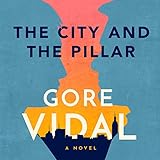
- Audible Audiobook
- Gore Vidal (Author) - Will Damron (Narrator)
- English (Publication Language)
- 10/15/2019 (Publication Date) - Brilliance Audio (Publisher)
6. Identify Thematic Resonance:
- Action: Discern the broader themes explored beyond the central relationship.
- What to Look For: Consider themes of identity formation, societal alienation, the pursuit of the American Dream, and the search for authentic human connection in a seemingly superficial post-war society.
- Mistake to Avoid: Focusing exclusively on the sexual content and overlooking the novel’s commentary on broader aspects of American life and individual freedom.
BLOCKQUOTE_0
Common Myths About The City And The Pillar
- Myth: The novel is solely a sensationalized exploration of homosexuality.
- Why it Matters: This view diminishes the book’s literary merit and its historical significance as a work that aimed for honest representation.
- Fix: Understand Vidal’s stated intention to write a “square” novel, meaning a straightforward, non-judgmental portrayal. The focus is on character development and the social pressures faced, not gratuitous shock value.
- Myth: The book was universally condemned upon its release.
- Why it Matters: This oversimplification ignores the complex critical landscape and the novel’s disruptive impact on prevailing attitudes.
- Fix: Acknowledge that while highly controversial and facing significant backlash, the novel also attracted attention for its boldness and literary ambition, sparking debate rather than outright dismissal by all critics.
- Myth: The novel offers a simple, clear-cut resolution for its characters.
- Why it Matters: This misunderstands Vidal’s realistic approach to character arcs and thematic exploration, which often involves ambiguity and ongoing struggle.
- Fix: Recognize that the novel concludes with a sense of tentative hope and continued challenge, reflecting the complex realities of individuals facing societal prejudice. It does not provide an easy resolution.
Expert Tips for Reading The City And The Pillar
- Tip 1: Focus on Social Realism.
- Action: Pay close attention to the dialogue and descriptions of social settings.
- Common Mistake to Avoid: Overlooking how the societal norms of 1948, as depicted by Vidal, directly impact the characters’ decisions and emotional states.
- Tip 2: Understand the “Square” Novel Concept.
- Action: Consider Vidal’s declared intent to write a “square” novel, meaning a non-moralizing, direct depiction.
- Common Mistake to Avoid: Projecting modern sensibilities onto the narrative; the novel’s power lies in its historical context and its departure from contemporary literary conventions regarding sexuality.
- Tip 3: Recognize its Historical Significance.
- Action: Research the reception of the book upon its publication.
- Common Mistake to Avoid: Underestimating the courage it took to publish such a novel in 1948 and the societal impact it had, even if controversial.
Decision Criteria for The City And The Pillar by Gore Vidal
When considering The City And The Pillar by Gore Vidal, a key decision criterion is your tolerance for historical context versus contemporary narrative expectations. If your primary interest is understanding the evolution of literary representation and social progress, and you can engage with a narrative that reflects the attitudes and language of a different era, then this novel offers profound insight. However, if your reading preference leans towards modern narrative structures, explicit thematic explorations through contemporary lenses, or if you are sensitive to depictions of societal prejudice without immediate resolution, this book might present a more challenging, though still significant, read.
Quick Comparison
| Option | Best for | Pros | Watch out |
|---|---|---|---|
| Quick Answer | General use | The City And The Pillar by Gore Vidal is a pivotal 1948 novel known for its e… | Mistake to Avoid: Judging the characters’ actions or anxieties solely through… |
| Who This Is For | General use | It is essential reading for those interested in the history of LGBTQ+ literat… | Mistake to Avoid: Reducing their relationship solely to sexual attraction; lo… |
| What to Check First | General use | Readers expecting conventional plot structures or those sensitive to frank di… | Mistake to Avoid: Expecting a conventional, neatly resolved plot. Vidal prior… |
| Step-by-Step Plan for Engaging with The City And The Pillar | General use | Readers interested in landmark novels that pushed the boundaries of social an… | Mistake to Avoid: Misinterpreting Vidal’s objective presentation as an endors… |
Decision Rules
- If reliability is your top priority for The City And The Pillar by Gore Vidal, choose the option with the strongest long-term track record and support.
- If value matters most, compare total ownership cost instead of headline price alone.
- If your use case is specific, prioritize fit-for-purpose features over generic ‘best overall’ claims.
FAQ
- Q: How does The City And The Pillar differ from contemporary LGBTQ+ literature?
- A: Unlike much contemporary LGBTQ+ literature which often benefits from established discourse and greater societal acceptance, The City And The Pillar was groundbreaking for its time by presenting homosexual relationships without moral condemnation, reflecting the stark realities and limited understanding of the 1940s.
- Q: What was the primary controversy surrounding the novel’s publication?
- A: The main controversy stemmed from its frank depiction of male homosexual relationships, which was considered highly taboo and shocking for mainstream American society and literature in 1948, leading to accusations of obscenity.
- Q: Can The City And The Pillar be considered a historical document as well as a novel?
- A: Yes, it can be viewed as a historical document due to its accurate portrayal of the social climate, anxieties, and prejudices surrounding homosexuality in post-war America, offering a window into a specific cultural moment.
- Q: What is the significance of the title, The City And The Pillar?
- A: The title alludes to the biblical story of Lot’s wife, who turned into a pillar of salt for looking back at the destruction of Sodom. It suggests themes of forbidden desire, societal judgment, and the inability or unwillingness to escape one’s past or true nature.