Franz Kafka’s Collected Stories: Masterpieces
Quick Answer
- For the Dedicated Reader: This collection offers a deep dive into Kafka’s unique, unsettling, and profoundly influential literary universe.
- Essential for Understanding Modern Literature: Provides foundational texts for grasping existentialism, absurdism, and 20th-century literary anxieties.
- Requires Focused Attention: Not a casual read; demands concentration to engage with its thematic density and stylistic nuances.
Who This Is For
- Students of Literature and Philosophy: Those studying modernism, existentialism, absurdism, or the development of 20th-century narrative forms will find essential primary texts here.
- Readers Seeking Intellectual Challenge: Individuals who appreciate literature that probes complex psychological states, bureaucratic absurdities, and human behavior without offering easy answers.
What to Check First
- Edition and Translation: The quality of the translation significantly impacts the reading experience. Look for reputable translators like Stanley Corngold or John P. Woods.
- Collection Contents: Different editions may group stories differently or include varying supplementary materials. Verify that the edition contains the core works you expect (e.g., “The Metamorphosis,” “In the Penal Colony,” “A Hunger Artist”).
- Introduction/Foreword: A good introduction can provide crucial context for Kafka’s life, historical period, and thematic concerns, enhancing comprehension.
- Publication History: Understanding that many of these stories were published posthumously and sometimes arranged by others can inform your reading of their structure and intent.
Step-by-Step Plan for Engaging with Collected Stories by Franz Kafka
1. Begin with “The Metamorphosis.”
- Action: Read this novella first.
- What to Look For: Gregor Samsa’s inexplicable transformation and his family’s reaction. Note the stark contrast between the mundane and the surreal.
- Mistake: Assuming the story is purely allegorical without considering its psychological and social dimensions.
2. Proceed to “In the Penal Colony.”
- Action: Read this story next.
- What to Look For: The elaborate and brutal execution machine. Observe the officer’s dedication to the old ways and the visitor’s unease.
- Mistake: Focusing solely on the violence and missing the critique of justice systems and ideology.
3. Explore “A Hunger Artist.”
- Action: Read this story after the previous two.
- What to Look For: The performer’s dedication to his art of fasting and the public’s waning interest. Analyze the themes of alienation and the pursuit of perfection.
- Mistake: Interpreting the hunger artist as a simple martyr without examining his complex relationship with his audience and his own self-destructive drive.
4. Examine Shorter Stories (e.g., “The Judgment,” “A Country Doctor”).
- Action: Read a selection of shorter pieces.
- What to Look For: Recurring motifs of guilt, authority, and inexplicable predicaments. Note the compressed intensity of these narratives.
- Mistake: Underestimating the impact of shorter works, assuming they are less significant than the longer narratives.
For those seeking a profound literary experience, this collection of Franz Kafka’s stories is an essential purchase. It offers a deep dive into his unique and unsettling universe.
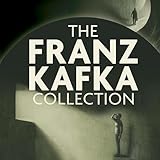
- Audible Audiobook
- Franz Kafka (Author) - Richard Attlee (Narrator)
- English (Publication Language)
- 12/03/2025 (Publication Date) - Arcturus Digital (Publisher)
5. Consider Thematic Connections Across Collected Stories by Franz Kafka.
- Action: Reflect on how themes like bureaucracy, alienation, guilt, and existential dread appear across different stories.
- What to Look For: The pervasive sense of unease and the characters’ often passive acceptance of absurd circumstances.
- Mistake: Reading each story in isolation without recognizing the interconnectedness of Kafka’s worldview.
6. Revisit Key Passages.
- Action: Go back to particularly striking or confusing sections.
- What to Look For: The precise wording and the emotional or intellectual impact of specific sentences.
- Mistake: Moving on too quickly from passages that provoke questions, rather than engaging with their ambiguity.
Understanding Collected Stories by Franz Kafka
Kafka’s Collected Stories is not a cohesive narrative but a compilation of his shorter fictional works, often published posthumously and arranged by scholars. The primary keyword, “Collected Stories by Franz Kafka,” refers to this body of work, which showcases his distinctive style and thematic preoccupations across various narratives. These stories are characterized by their surreal, dreamlike quality, their exploration of bureaucratic and familial alienation, and their protagonists’ struggles against incomprehensible forces. Unlike traditional narratives that offer resolution, Kafka’s stories often leave readers in a state of disquiet, reflecting the anxieties of the modern condition.
The significance of these stories lies in their pioneering contribution to literary modernism and their prescient exploration of themes that would become central to existentialism and absurdism. Works like “The Metamorphosis” have become widely referenced, their titles entering common parlance to describe bizarre transformations or bewildering situations. The enduring power of Kafka’s Collected Stories stems from their ability to tap into universal feelings of powerlessness, guilt, and the search for meaning in a seemingly indifferent universe. They continue to resonate because they articulate a profound sense of unease that remains relevant to contemporary readers.
Common Myths About Kafka’s Collected Stories
- Myth: Kafka’s stories are always allegories with clear, decipherable meanings.
- Why it Matters: This assumption leads readers to seek a single “correct” interpretation, overlooking the richness of ambiguity and the power of open-endedness in Kafka’s work.
- Fix: Approach Kafka’s stories as explorations of psychological and societal states rather than puzzles with definitive answers. Embrace the discomfort and the questions they raise.
- Myth: Kafka’s protagonists are simply victims with no agency.
- Why it Matters: This can lead to a passive reading experience, where the reader, like the characters, resigns to incomprehension.
- Fix: Observe the subtle ways characters attempt to navigate their impossible situations, even if their efforts are ultimately futile. Their internal struggles and attempts to understand are forms of agency.
- Myth: All of Kafka’s stories are dark and depressing.
- Why it Matters: This perception might deter readers who are looking for literary merit but fear an overwhelming sense of gloom.
- Fix: Recognize that while Kafka’s work is often unsettling, it is also intellectually stimulating and possesses a stark, compelling beauty. The “darkness” often serves to illuminate profound truths about the human experience.
Expert Tips for Reading Kafka
- Tip: Pay close attention to the mundane details within the surreal.
- Actionable Step: When reading about Gregor Samsa’s transformation, focus on the practicalities of his new insect form (e.g., how he moves, what he eats) as much as the existential horror.
- Common Mistake to Avoid: Glossing over descriptive passages in favor of plot or thematic interpretation, thereby missing the grounded details that make the surreal elements so impactful.
- Tip: Do not expect a traditional narrative arc or resolution.
- Actionable Step: Accept that many stories will end abruptly or without a clear sense of closure. Focus on the journey and the internal states of the characters.
- Common Mistake to Avoid: Becoming frustrated by the lack of a neat conclusion, which can lead to dismissing the story’s effectiveness.
- Tip: Understand the context of bureaucracy and alienation in early 20th-century Europe.
- Actionable Step: Briefly research the societal structures and legal systems of the Austro-Hungarian Empire or Weimar Germany to better grasp the pressures Kafka’s characters often face.
- Common Mistake to Avoid: Reading Kafka’s works as purely fantastical without acknowledging their roots in observable societal anxieties, particularly the impersonal nature of modern institutions.
Decision Rules
- If reliability is your top priority for Collected Stories by Franz Kafka, choose the option with the strongest long-term track record and support.
- If value matters most, compare total ownership cost instead of headline price alone.
- If your use case is specific, prioritize fit-for-purpose features over generic ‘best overall’ claims.
Quick Comparison
| Option | Best for
Quick Comparison
| Option | Best for | Pros | Watch out |
|---|---|---|---|
| Quick Answer | General use | For the Dedicated Reader: This collection offers a deep dive into Kafka’s uni… | Mistake: Assuming the story is purely allegorical without considering its psy… |
| Who This Is For | General use | Essential for Understanding Modern Literature: Provides foundational texts fo… | Mistake: Focusing solely on the violence and missing the critique of justice… |
| What to Check First | General use | Requires Focused Attention: Not a casual read; demands concentration to engag… | Mistake: Interpreting the hunger artist as a simple martyr without examining… |
| Step-by-Step Plan for Engaging with Collected Stories by Franz Kafka | General use | Students of Literature and Philosophy: Those studying modernism, existentiali… | Mistake: Underestimating the impact of shorter works, assuming they are less… |