Exploring James McBride’s ‘Miracle At St. Anna
Quick Answer
- Miracle At St. Anna by James McBride is a historical fiction novel that vividly portrays the experiences of Black American soldiers during World War II in Italy.
- The book masterfully blends the harsh realities of combat with themes of faith, brotherhood, and the search for redemption, offering a nuanced look at human resilience.
- It is recommended for readers who appreciate character-driven narratives grounded in historical context and exploring complex moral questions.
Who This Is For
- Readers interested in WWII historical fiction that specifically examines the often-overlooked contributions and struggles of Black soldiers.
- Those who enjoy James McBride’s distinctive narrative voice, which combines lyrical prose with profound emotional depth and a spiritual undercurrent.
What to Check First
Before commencing your reading of Miracle At St. Anna, consider the following foundational elements:
- Historical Context of the 92nd Division: Familiarize yourself with the 92nd Infantry Division, also known as the Buffalo Soldiers. This segregated unit faced both combat and significant racial discrimination within the U.S. Army. Understanding this dual struggle is vital.
- McBride’s Thematic Approach: James McBride often explores faith, identity, and the complexities of human nature through a lens that can incorporate elements of magical realism or spiritual inquiry. Be prepared for a narrative that transcends strict historical realism.
- The Nature of “Miracles”: The title suggests a focus on divine intervention, but McBride typically uses “miracle” to represent extraordinary acts of human resilience, unexpected grace, and profound connection that occur against all odds.
- Narrative Structure: McBride’s novels can be episodic, weaving together multiple character perspectives and storylines. Patience with the unfolding narrative and a willingness to connect seemingly disparate threads will enhance comprehension.
Step-by-Step Plan for Understanding Miracle At St. Anna
1. Initial Immersion: Begin by engaging with the early chapters that introduce the main characters, particularly the members of the 121st Engineer Combat Battalion, and establish the harsh Italian wartime environment.
- What to look for: The immediate portrayal of the soldiers’ camaraderie and the stark contrast between their pre-war lives and the brutal realities they face.
- Mistake to avoid: Underestimating the significance of these initial scenes; they lay the groundwork for the deep bonds and moral challenges that will define the narrative.
2. Character Arc Analysis: Trace the individual journeys of Private First Class Hector McNabb and his fellow soldiers as they navigate the perils of combat and their personal quests for survival and meaning.
- What to look for: The development of each soldier’s character, their internal conflicts, and how their experiences shape their understanding of themselves and the world.
- Mistake to avoid: Focusing exclusively on the military plot; the novel’s core strength lies in its detailed exploration of the soldiers’ inner lives and their personal struggles.
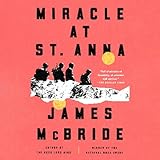
- Audible Audiobook
- James McBride (Author) - Ted Daniel (Narrator)
- English (Publication Language)
- 02/11/2025 (Publication Date) - Penguin Audio (Publisher)
3. Thematic Exploration of “Miracles”: Pay close attention to how the concept of a miracle is presented throughout the novel, both overtly and implicitly.
- What to look for: Instances where hope, faith, or unexpected acts of kindness and survival emerge from dire circumstances.
- Mistake to avoid: Limiting your interpretation of “miracle” to supernatural events; McBride uses it to signify profound human resilience and moments of unexpected grace.
4. Deconstructing Racial Prejudice: Analyze the pervasive impact of racism, both from the enemy and from within the American military structure, on the soldiers’ experiences.
- What to look for: The systemic discrimination and its psychological toll, noting how it complicates the soldiers’ mission and their sense of identity.
- Mistake to avoid: Viewing racism as a secondary element; it is a central conflict that profoundly shapes the characters’ actions and motivations.
5. Contextualizing the Italian Setting: Observe how the Italian landscape and its civilian population interact with the American soldiers, and how these interactions influence the narrative.
- What to look for: The cultural exchanges, moments of shared humanity, and the subtle ways the war impacts local communities.
- Mistake to avoid: Treating Italy as a mere backdrop; the setting is integral to the soldiers’ experiences and the novel’s thematic development.
6. Reflecting on the Conclusion: Ponder the resolutions offered at the end of the novel and the lingering questions regarding justice, sacrifice, and the possibility of redemption.
- What to look for: The emotional resonance of the ending and how it synthesizes the novel’s central themes.
- Mistake to avoid: Expecting a simple or conventionally happy resolution; McBride’s conclusions are often complex, reflecting life’s inherent ambiguities.
Understanding Miracle At St. Anna by James McBride
James McBride’s Miracle At St. Anna offers a profound and unflinching examination of the human spirit under duress, set against the tumultuous backdrop of World War II in Italy. The novel centers on the experiences of Black American soldiers, primarily from the 121st Engineer Combat Battalion, who are tasked with perilous missions while confronting the dual challenges of combat and systemic racism. McBride masterfully weaves together the brutal realities of war with moments of unexpected grace and deep human connection, moving beyond a simple war narrative to explore themes of faith, brotherhood, and the enduring search for redemption. The concept of a “miracle” is not presented as mere divine intervention but as the extraordinary resilience, unexpected kindness, and profound moments of shared humanity that can emerge even in the most dire circumstances.
The novel’s strength lies in its rich character development and McBride’s signature lyrical prose, which imbues even the most harrowing scenes with a palpable sense of hope and dignity. The historical context of the segregated U.S. military during WWII is essential, highlighting the soldiers’ fight on two fronts: against the enemy abroad and against racial injustice at home. McBride does not shy away from depicting the violence of war or the deep-seated prejudices his protagonists face; instead, he uses these elements to underscore the immense courage and unwavering humanity of the soldiers. The Italian landscape and its people become not only a setting; they are an integral part of the soldiers’ journey, providing spaces for unexpected bonds and a broader understanding of shared human experience.
Common Myths About Miracle At St. Anna by James McBride
- Myth 1: The novel is a straightforward military history focused on battlefield tactics.
- Why it matters: This misconception can lead readers to expect a narrative driven solely by action and strategy, potentially causing them to overlook the novel’s deeper exploration of character, faith, and the psychological impact of war.
- Fix: Approach Miracle At St. Anna as a deeply character-driven story that uses the backdrop of war to examine the internal lives of its protagonists. The focus is on their resilience, moral dilemmas, and search for meaning, rather than a tactical manual.
- Myth 2: The “miracles” mentioned are exclusively supernatural events.
- Why it matters: This narrow interpretation can lead readers to miss McBride’s more nuanced and humanistic portrayal of miracles. It risks overlooking the extraordinary acts of courage, compassion, and survival that the author emphasizes.
- Fix: Understand that McBride uses the term “miracle” to encompass the profound and often unexpected instances of human resilience, kindness, and hope that manifest even in the most brutal conditions. These are frequently human-driven phenomena that defy logical explanation.
Expert Tips for Engaging with Miracle At St. Anna
- Tip 1: Actively track the soldiers’ evolving perceptions of faith and divine intervention.
- Actionable Step: Note specific instances where characters question, reaffirm, or redefine their beliefs, especially in response to traumatic events.
- Common Mistake to Avoid: Assuming a uniform approach to faith among the characters; McBride presents a spectrum of belief, doubt, and spiritual seeking.
- Tip 2: Pay close attention to the juxtaposition of wartime Italy with the soldiers’ memories and understanding of America.
- Actionable Step: Highlight passages that contrast the experiences in Italy with their home country, particularly concerning racial dynamics and social injustices.
- Common Mistake to Avoid: Treating the Italian setting as entirely separate from the American context; the novel constantly interrogates the soldiers’ identity as Americans abroad.
- Tip 3: Embrace the novel’s episodic structure and focus on character vignettes.
- Actionable Step: Be patient with the narrative flow, recognizing that McBride builds his story through interconnected character studies rather than a strictly linear plot progression.
- Common Mistake to Avoid: Expecting a fast-paced thriller; the novel’s power lies in its depth of character, thematic resonance, and emotional impact.
Key Themes in Miracle At St. Anna
- Faith and Redemption: The novel intricately explores how faith, in various forms, sustains the soldiers amidst unimaginable hardship. It questions the nature of miracles and the possibility of redemption, both personal and collective, in the face of war’s moral ambiguities.
- Brotherhood and Identity: The bonds forged between the soldiers, transcending racial divides and the shared trauma of war, form the emotional core of the narrative. Their experiences in Italy challenge their sense of self and their identity as Black Americans.
- The Pervasiveness of Racism: McBride unflinchingly depicts the systemic racism faced by the Black soldiers, both from the enemy and from within their own ranks. This dual conflict is as central to their struggle as the war itself.
Critical Analysis of Miracle At St. Anna
McBride’s approach to depicting the horrors of war is not gratuitous but serves to highlight the soldiers’ extraordinary capacity for humanity and resilience. The narrative structure, while potentially challenging for some, allows for a deep dive into the psychological and emotional landscapes of the characters. The author’s ability to find moments of grace and beauty amidst the devastation is a testament to his skill.
BLOCKQUOTE_0
Quick Comparison
| Option | Best for | Pros | Watch out |
|---|---|---|---|
| Quick Answer | General use | Miracle At St. Anna by James McBride is a historical fiction novel that viv… | Mistake to avoid: Underestimating the significance of these initial scenes; t… |
| Who This Is For | General use | The book masterfully blends the harsh realities of combat with themes of fait… | Mistake to avoid: Focusing exclusively on the military plot; the novel’s core… |
| What to Check First | General use | It is recommended for readers who appreciate character-driven narratives grou… | Mistake to avoid: Limiting your interpretation of “miracle” to supernatural e… |
| Step-by-Step Plan for Understanding Miracle At St Anna | General use | Readers interested in WWII historical fiction that specifically examines the… | Mistake to avoid: Viewing racism as a secondary element; it is a central conf… |
Decision Rules
- If reliability is your top priority for Miracle At St. Anna by James McBride, choose the option with the strongest long-term track record and support.
- If value matters most, compare total ownership cost instead of headline price alone.
- If your use case is specific, prioritize fit-for-purpose features over generic ‘best overall’ claims.