Eric Schlosser’s Fast Food Nation: An Expose
Quick Answer
- Fast Food Nation by Eric Schlosser is a critical examination of the fast-food industry’s historical development, labor practices, marketing strategies, and profound impact on American culture and health.
- The book serves as a warning about the hidden costs of cheap, convenient food, urging readers to consider the ethical and health implications of their consumption choices.
- Readers seeking a deep dive into the systemic issues behind the fast-food landscape will find this an essential, albeit sometimes unsettling, read.
Who This Is For
- Individuals interested in the sociology and economics of the food industry.
- Consumers seeking to understand the origins and consequences of widespread fast-food consumption.
What to Check First
- Author’s Intent: Schlosser’s primary goal is to expose the often-unseen consequences of the fast-food industry, from worker exploitation to public health crises.
- Scope of Investigation: The book covers a broad range of topics, including the history of fast food, its marketing tactics, its influence on rural landscapes, and the meatpacking industry.
- Tone and Style: Expect a well-researched, investigative tone that is critical and often alarming, supported by extensive interviews and data.
- Potential for Discomfort: The detailed descriptions of food production and labor conditions can be disturbing.
Step-by-Step Plan: Understanding Fast Food Nation by Eric Schlosser
1. Initiate with the Historical Context: Begin by understanding the post-World War II boom that paved the way for fast food.
- Action: Read chapters detailing the early days of McDonald’s and other pioneers.
- Look for: The strategic innovations in efficiency and marketing that propelled the industry’s growth.
- Mistake to Avoid: Assuming fast food’s rise was solely due to consumer demand without acknowledging aggressive industry strategies.
2. Examine Labor Practices and Worker Exploitation: Focus on the human cost behind the convenience.
- Action: Analyze Schlosser’s accounts of low wages, poor working conditions, and the lack of benefits for fast-food employees.
- Look for: The deliberate structuring of jobs to minimize worker autonomy and maximize profit.
- Mistake to Avoid: Underestimating the systemic nature of worker exploitation; it’s not isolated incidents but a core business model.
For those looking to understand the deep-seated issues within the fast-food industry, Eric Schlosser’s ‘Fast Food Nation’ is an indispensable read. It meticulously details the often-unseen consequences of our consumption habits.
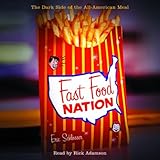
- Audible Audiobook
- Eric Schlosser (Author) - Rick Adamson (Narrator)
- English (Publication Language)
- 02/06/2001 (Publication Date) - Random House Audio (Publisher)
3. Investigate the Meatpacking Industry: Understand the critical link between fast food and the industrialization of meat production.
- Action: Study the sections describing the conditions in slaughterhouses and meat processing plants.
- Look for: The impact of speed and efficiency on food safety and worker well-being.
- Mistake to Avoid: Separating the fast-food restaurant from the upstream supply chain; they are intrinsically connected.
4. Analyze Marketing and Consumer Psychology: Understand how fast food companies create demand.
- Action: Review the chapters on advertising, especially targeting children and young adults.
- Look for: The psychological tactics used to build brand loyalty and encourage frequent consumption.
- Mistake to Avoid: Believing that advertising is purely informational; it is designed to manipulate consumer behavior.
5. Consider the Public Health and Environmental Impact: Assess the broader societal consequences.
- Action: Note the connections drawn between fast food and rising obesity rates, diabetes, and the environmental footprint of the industry.
- Look for: Data and expert opinions linking consumption patterns to health outcomes.
- Mistake to Avoid: Dismissing these impacts as unrelated personal choices; they are influenced by industry practices and accessibility.
6. Synthesize the Themes of Globalization and Standardization: Recognize the global reach and uniform nature of fast food.
- Action: Reflect on how fast food has reshaped landscapes and economies worldwide.
- Look for: Examples of cultural homogenization and the displacement of local food traditions.
- Mistake to Avoid: Viewing fast food as merely a convenient meal option; it represents a powerful economic and cultural force.
Common Mistakes
- Mistake: Treating the book as a simple exposé of unhealthy food.
- Why it matters: This overlooks the book’s deeper critiques of labor, industrial agriculture, and corporate power.
- Fix: Focus on the systemic issues Schlosser raises, not just the nutritional content of the food.
- Mistake: Believing the problems are confined to specific companies.
- Why it matters: Schlosser argues these are industry-wide issues inherent to the fast-food business model.
- Fix: Recognize that the practices described are often industry standards rather than isolated corporate failings.
- Mistake: Dismissing the information as outdated.
- Why it matters: While published in 2001, the foundational issues of labor, food safety, and marketing persist and have evolved.
- Fix: Consider how the themes discussed in Fast Food Nation have continued to shape the food landscape, even with subsequent developments.
- Mistake: Reading the book without considering Schlosser’s investigative methodology.
- Why it matters: His strength lies in meticulous research and firsthand accounts, which provide a robust, albeit critical, perspective.
- Fix: Appreciate the depth of his research, which includes interviews with workers, industry insiders, and extensive data analysis.
Expert Tips
1. Tip: Understand the “race to the bottom” in labor.
- Actionable Step: Pay close attention to Schlosser’s descriptions of how fast-food companies intentionally keep wages low and limit employee benefits to control costs.
- Common Mistake to Avoid: Assuming low wages are simply a consequence of market forces rather than a deliberate strategy to maximize profit margins.
2. Tip: Connect the dots between the restaurant and the farm.
- Actionable Step: Analyze how the demand for cheap, uniform products by fast-food chains drives the industrialization and often problematic practices within the meatpacking and agricultural sectors.
- Common Mistake to Avoid: Viewing the fast-food restaurant as an isolated entity, disconnected from the complex and often harsh realities of its supply chain.
3. Tip: Recognize the power of marketing, especially on young consumers.
- Actionable Step: Examine the specific examples Schlosser provides of how fast-food companies use targeted advertising and promotions to build lifelong brand loyalty from childhood.
- Common Mistake to Avoid: Underestimating the sophistication and ethical implications of marketing strategies aimed at vulnerable demographics.
Fast Food Nation by Eric Schlosser: Themes and Impact
The enduring power of Fast Food Nation by Eric Schlosser lies in its comprehensive dismantling of the fast-food industry’s public image. Schlosser meticulously details how this industry, built on principles of speed, efficiency, and low cost, has fundamentally reshaped American society. His investigation reveals a complex web of interconnected issues, from the homogenization of American culture and the decline of local businesses to the significant public health consequences and the often-invisible exploitation of a low-wage workforce. The book’s strength is its ability to connect seemingly disparate elements—the taste of a burger, the working conditions of a teenager, the safety of meat processing, and the marketing of childhood—into a cohesive and critical narrative.
BLOCKQUOTE_0
This quote encapsulates Schlosser’s central argument: fast food is more than just a meal; it is a cultural phenomenon with profound societal implications. The book forces readers to confront the hidden costs associated with the affordability and accessibility of fast food, urging a more critical engagement with what and how we consume.
Counterpoint: The Efficiency Argument
While Schlosser’s critique is powerful, it is important to acknowledge the industry’s foundational success in achieving unprecedented levels of efficiency and affordability. The “assembly line” approach, pioneered by McDonald’s, revolutionized food service, making meals accessible to a broader population segment than ever before. This efficiency has economic benefits, creating numerous jobs, albeit often low-wage ones, and providing consumers with predictable and inexpensive options. The book’s contrarian perspective highlights that this efficiency is achieved at a significant human and environmental cost, challenging the notion that efficiency alone justifies the industry’s practices.
Common Myths
- Myth: Fast food is cheap because the ingredients are inherently low-quality.
- Correction: While ingredient quality is a factor, the primary driver of low prices is the extreme industrialization and standardization of production, coupled with aggressive cost-cutting measures in labor and processing. Schlosser details how economies of scale and optimized supply chains allow for low per-unit costs, often at the expense of worker welfare and environmental sustainability.
- Myth: The problems highlighted in Fast Food Nation are historical anecdotes and no longer apply.
- Correction: While the industry has seen changes since the book’s publication, the core systemic issues persist. Low wages, precarious working conditions, and the drive for profit over worker well-being remain significant concerns in the fast-food sector. Furthermore, the book’s analysis of marketing, supply chain impacts, and public health connections continues to resonate.
Quick Comparison
| Option | Best for | Pros | Watch out |
|---|---|---|---|
| Quick Answer | General use | Fast Food Nation by Eric Schlosser is a critical examination of the fast-food… | Mistake to Avoid: Assuming fast food’s rise was solely due to consumer demand… |
| Who This Is For | General use | The book serves as a warning about the hidden costs of cheap, convenient food… | Mistake to Avoid: Underestimating the systemic nature of worker exploitation;… |
| What to Check First | General use | Readers seeking a deep dive into the systemic issues behind the fast-food lan… | Mistake to Avoid: Separating the fast-food restaurant from the upstream suppl… |
| Step-by-Step Plan Understanding Fast Food Nation by Eric Schlosser | General use | Individuals interested in the sociology and economics of the food industry. | Mistake to Avoid: Believing that advertising is purely informational; it is d… |
Decision Rules
- If reliability is your top priority for Fast Food Nation by Eric Schlosser, choose the option with the strongest long-term track record and support.
- If value matters most, compare total ownership cost instead of headline price alone.
- If your use case is specific, prioritize fit-for-purpose features over generic ‘best overall’ claims.
FAQ
- Q1: Is Fast Food Nation by Eric Schlosser still relevant today?
- A1: Yes, the core themes of labor exploitation, the impact of industrial food production on health and the environment, and the power of marketing remain highly relevant. While the industry has evolved, the foundational issues Schlosser exposed continue to shape our food system.
- Q2: What is the main takeaway from the book?
- A2: The main takeaway is that the convenience and low cost of fast food come with significant hidden costs, including worker exploitation, public health crises, and environmental degradation, urging readers to be more conscious consumers.
- **Q3: How does Schlosser’s