Cristina Henríquez’s The Great Divide Discussed
Quick Answer
- The Great Divide by Cristina Henríquez is a historical fiction novel that explores the human cost and complex social dynamics behind the construction of the Panama Canal.
- The book is best suited for readers who appreciate character-driven narratives, intricate thematic exploration, and a nuanced portrayal of historical events.
- It may not appeal to those seeking a fast-paced plot or a straightforward, heroic narrative.
Who This Is For
- Readers interested in historical fiction that delves into the human experiences behind major geopolitical events, specifically the construction of the Panama Canal.
- Individuals who appreciate character-driven narratives that explore the intersection of personal lives with broader societal and economic forces.
What to Check First
- Historical Context: Familiarize yourself with the basic history of the Panama Canal’s construction, including the labor conditions, the scale of the project, and the geopolitical stakes. This provides a crucial backdrop for understanding the novel’s events and characters.
- Author’s Style: Cristina Henríquez is known for her lyrical prose and her ability to inhabit diverse perspectives. If you have read her previous works, such as The Book of Unknown Americans, you will have an expectation of her narrative approach.
- Thematic Focus: Be prepared for themes of exploitation, resilience, and the often-unseen consequences of ambition. The novel does not shy away from the difficult realities of its subject matter.
- Narrative Approach: Understand that the novel employs multiple perspectives, weaving together various characters’ experiences rather than following a single protagonist.
Step-by-Step Plan for Understanding The Great Divide by Cristina Henríquez
This section outlines key analytical steps for engaging with The Great Divide by Cristina Henríquez, focusing on critical comprehension rather than plot summary.
1. Analyze the Narrative Structure: Observe how Henríquez shifts perspectives between various characters, from laborers to engineers and their families.
- Action: Note the deliberate pacing and how each viewpoint contributes to a mosaic understanding of the era and the project. For instance, contrast the experiences of the Black laborers from the Caribbean with those of the American administrators.
- What to Look For: The interplay of these distinct viewpoints, highlighting the disparate realities of life during the canal’s construction.
- Common Mistake: Assuming a single protagonist or a linear, chronological progression. The novel is structured to offer multiple facets of the experience, demanding active synthesis from the reader.
2. Examine Character Motivations: Investigate the driving forces behind the actions of the key individuals.
- Action: Consider the interplay of personal ambition, economic necessity, and the pervasive sense of American exceptionalism that fueled the canal’s construction. For example, analyze the internal conflicts of characters like Dr. Robert Peralta.
- What to Look For: The complex ethical landscapes characters navigate, revealing the human element within grand historical undertakings.
- Common Mistake: Judging characters solely by modern ethical standards without considering the historical context and the pressures they faced. This overlooks the nuanced portrayal Henríquez offers.
3. Evaluate the Portrayal of Labor: Pay close attention to how Henríquez depicts the lives and struggles of the vast workforce.
- Action: Identify the specific challenges faced by different groups of laborers, including the dangers of the work, the prevalence of disease, and the systemic discrimination they endured. The novel highlights the stark disparities in living and working conditions.
- What to Look For: The explicit depiction of sacrifice and loss, often overshadowed by the engineering achievement, and the specific hardships faced by Caribbean workers.
- Common Mistake: Underestimating the sheer human toll of the project. The novel emphasizes the immense cost, which can be easily overlooked when focusing solely on the completed canal.
4. Identify Thematic Resonance: Discern the overarching messages Henríquez conveys about progress, colonialism, and human connection.
- Action: Recognize how the narrative explores the concept of a “great divide”—not just geographically, but also socially, economically, and culturally. The book questions the true cost of such ambitious endeavors.
- What to Look For: The symbolic and literal meanings of the “divide,” and how it impacts individuals and communities.
- Common Mistake: Focusing only on the plot without considering the deeper thematic underpinnings. The novel’s power lies in its exploration of these complex ideas, which are integral to its meaning.
5. Assess the Novel’s Historical Fidelity: While a work of fiction, consider how well the novel captures the spirit and realities of the historical period.
- Action: Note specific details about daily life, medical practices, and social attitudes that contribute to the novel’s authenticity. The author’s research is evident in the granular descriptions.
- What to Look For: The integration of historical facts with fictional narrative to create a believable and immersive world.
- Common Mistake: Treating the novel as a purely factual historical account. It is an interpretation, using historical events as a backdrop for human drama and thematic exploration.
6. Consider the Author’s Voice and Style: Reflect on how Henríquez’s prose and narrative choices shape the reader’s experience.
- Action: Appreciate the lyrical quality of the writing, which can evoke both the beauty and the harshness of the Panamanian landscape and the lives lived within it.
- What to Look For: The emotional impact of the prose, and how it contributes to the novel’s atmosphere and thematic weight.
- Common Mistake: Overlooking the deliberate artistry of the prose in favor of plot progression, thereby missing subtle emotional nuances and the full scope of the author’s craft.
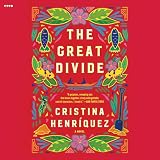
- Audible Audiobook
- Cristina Henriquez (Author) - Robin Miles (Narrator)
- English (Publication Language)
- 03/05/2024 (Publication Date) - Ecco (Publisher)
The Great Divide by Cristina Henríquez: Strengths and Limitations
This section offers a critical assessment, highlighting specific decision criteria for potential readers by examining the novel’s advantages and disadvantages.
Strengths
- Nuanced Character Portrayals: Henríquez excels at creating multi-dimensional characters, avoiding simplistic archetypes. For instance, the complex motivations of characters like the ambitious Dr. Robert Peralta reveal the human element behind historical events. This allows for a deeper understanding of the era’s moral ambiguities, as seen in the contrasting internal conflicts of individuals like Peralta and the laborers.
- Evocative Prose: The author’s lyrical writing style brings the setting and the emotional landscape to life. Descriptions of the Panamanian environment are vivid, creating a strong sense of place that immerses the reader in the historical period. The detailed sensory language, such as descriptions of the oppressive humidity or the sounds of the jungle, enhances the reader’s connection to the narrative.
- Thematic Depth: The novel thoughtfully explores themes of progress, labor, displacement, and the human cost of large-scale engineering projects. It prompts reflection on who benefits from such endeavors and who bears the burden. The exploration of the “great divide” extends beyond the geographical to encompass social, economic, and cultural chasms, providing a rich ground for contemplation.
Limitations
- Deliberate Pacing: The novel’s narrative pace is measured, focusing on atmosphere and character development over rapid plot advancement. This deliberate approach, while enhancing thematic depth, might frustrate readers seeking a more action-oriented story. For example, extended passages detailing daily routines or internal monologues may feel slow to those accustomed to faster narratives.
- Bleak Undertones: The subject matter inherently involves hardship, disease, and exploitation. While historically accurate and thematically relevant, the pervasive sense of struggle can make the novel emotionally demanding and may not appeal to all readers. The constant presence of suffering, such as the descriptions of widespread illness among the workers, can create a somber reading experience.
- Fragmented Narrative: The shifting perspectives, while effective in painting a broad picture, can sometimes lead to a feeling of narrative distance. Readers who prefer a single, strong focal point might find this approach less engaging. The constant shifts between characters, while illuminating, can prevent a deep, sustained immersion in any one individual’s journey.
Common Myths About The Great Divide by Cristina Henríquez
- Myth: The novel is a straightforward historical account of the Panama Canal’s construction.
- Correction: While grounded in historical events, The Great Divide is a work of historical fiction. It uses the construction of the canal as a backdrop to explore human experiences, relationships, and the social and ethical implications of the project. The focus is on the individuals caught within these grand historical forces, not solely on the factual recounting of engineering feats. For instance, the character of Dr. Robert Peralta is a fictional creation used to explore the ethical dilemmas of the era, rather than a historical figure.
- Myth: The novel celebrates the achievements of the Panama Canal’s builders.
- Correction: Henríquez offers a more critical perspective, deliberately highlighting the immense human cost and the exploitation inherent in the project. The narrative emphasizes the suffering of the laborers, particularly those from the Caribbean, and questions the narrative of progress when it is built on such foundations. The “great divide” refers not only to the canal itself but also to the societal and economic chasms it exposed, such as the stark difference in living conditions between American officials and Caribbean workers.
Expert Tips for Reading The Great Divide
BLOCKQUOTE_0
1. Engage with Multiple Perspectives: Actively seek out the differing viewpoints presented by Henríquez.
- Actionable Step: After reading a chapter or section focusing on one character, make a note of their primary concerns and how they perceive the events unfolding. Then, consider how another character’s perspective might challenge or complicate that view. For example, contrast the perspective of a white American engineer with that of a Black laborer from Barbados.
- Common Mistake to Avoid: Settling into the viewpoint of a single character and interpreting all events through their lens, thus missing the broader, often contradictory, realities depicted.
2. Contextualize the Labor Experience: Understand the specific historical and social conditions faced by the diverse workforce
Quick Comparison
| Option | Best for | Pros | Watch out |
|---|---|---|---|
| Quick Answer | General use | The Great Divide by Cristina Henríquez is a historical fiction novel that e… | Common Mistake: Assuming a single protagonist or a linear, chronological prog… |
| Who This Is For | General use | The book is best suited for readers who appreciate character-driven narrative… | Common Mistake: Judging characters solely by modern ethical standards without… |
| What to Check First | General use | It may not appeal to those seeking a fast-paced plot or a straightforward, he… | Common Mistake: Underestimating the sheer human toll of the project. The nove… |
| Step-by-Step Plan for Understanding The Great Divide by Cristina Henríquez | General use | Readers interested in historical fiction that delves into the human experienc… | Common Mistake: Focusing only on the plot without considering the deeper them… |
Decision Rules
- If reliability is your top priority for The Great Divide by Cristina Henríquez, choose the option with the strongest long-term track record and support.
- If value matters most, compare total ownership cost instead of headline price alone.
- If your use case is specific, prioritize fit-for-purpose features over generic ‘best overall’ claims.