Charles Perrault’s Complete Fairy Tales: A Collection
Quick Answer
- This collection provides the foundational literary versions of many classic fairy tales, offering direct narratives and explicit morals from the 17th century.
- It is essential for understanding the evolution of folklore and the source material for countless modern adaptations.
- Readers should approach the tales with an awareness of their historical context and original intended audience.
Who This Is For
- Readers interested in the historical and literary origins of Western fairy tales, tracing their path from oral tradition to codified literature.
- Scholars and enthusiasts of folklore, literary history, and 17th-century French culture.
What to Check First
- Translation: The effectiveness of the prose and the preservation of Perrault’s direct tone are crucial; different translations can significantly alter the reading experience.
- Completeness: Ensure the edition contains all of Perrault’s major fairy tales, such as “Cinderella,” “Sleeping Beauty,” “Little Red Riding Hood,” and “Puss in Boots.”
- Contextual Material: Look for editions with introductions, forewords, or notes that discuss Perrault’s life, the social milieu of his time, and the literary context of the tales.
- Original Publication: Confirm the collection is based on Perrault’s 1697 publication, “Histoires ou contes du temps passé,” to ensure authenticity.
The Complete Fairy Tales of Charles Perrault by Charles Perrault: A Literary Milestone
Charles Perrault’s The Complete Fairy Tales of Charles Perrault by Charles Perrault, first published in 1697, is a landmark collection that significantly shaped the Western fairy tale tradition. Perrault, a prominent figure in the court of Louis XIV, did not invent these stories but rather collected, refined, and literary rendered existing oral traditions. His versions, characterized by their concise prose and often stark moral conclusions, were originally intended for an adult, aristocratic audience, serving as both entertainment and a means of social commentary. The tales, such as “La Belle au bois dormant” (The Sleeping Beauty) and “Cendrillon” (Cinderella), established archetypes that have endured for centuries, influencing countless subsequent retellings and adaptations.
Understanding the historical context of The Complete Fairy Tales of Charles Perrault by Charles Perrault is key to appreciating its impact. Perrault’s contribution lay in his selection and formalization of these narratives, imbuing them with a literary structure and an explicit didactic purpose. His “Little Red Riding Hood,” for instance, presents a cautionary tale with a clear moral that differs from some earlier, less structured versions. The collection’s enduring legacy lies in its role as a primary source, providing the archetypal forms that have been continuously reinterpreted and reimagined in literature, film, and popular culture.
For a definitive experience, consider a comprehensive edition like The Complete Fairy Tales of Charles Perrault by Charles Perrault. This collection offers the foundational literary versions of many classic tales, preserving Perrault’s original concise prose and stark moral conclusions.
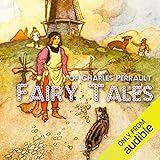
- Audible Audiobook
- Charles Perrault (Author) - Josh Verbae (Narrator)
- English (Publication Language)
- 11/30/2015 (Publication Date) - Interactive Media (Publisher)
Step-by-Step Plan for Engaging with The Complete Fairy Tales of Charles Perrault by Charles Perrault
1. Select a Scholarly Edition:
- Action: Prioritize editions that provide scholarly introductions, translator’s notes, and historical context.
- What to look for: An introduction that details Perrault’s life, the literary environment of 17th-century France, and the specific oral traditions he adapted. For example, an edition might explain the influence of Italian fabulists on his work.
- Mistake to avoid: Choosing a simplified or abridged version that omits the critical apparatus necessary for a deep understanding of the tales’ historical and literary significance.
2. Read the Introduction First:
- Action: Familiarize yourself with the historical period, Perrault’s motivations for compiling the tales, and the intended audience.
- What to look for: Insights into the social norms, moral expectations, and literary conventions of the time, which help contextualize the often direct and sometimes severe consequences faced by characters.
- Mistake to avoid: Skipping introductory material and approaching the tales solely through a modern lens, which can lead to misinterpretations of their original didactic intent.
3. Engage with the Tales Directly:
- Action: Read the stories as Perrault presented them, noting the direct narrative style and the absence of excessive embellishment.
- What to look for: The concise plotting and the clear, often didactic, progression of events. Observe how Perrault efficiently establishes character archetypes.
- Mistake to avoid: Expecting the intricate character development or psychological nuance found in contemporary literature; Perrault’s focus is on narrative momentum and moral clarity.
4. Analyze the Appended Morals:
- Action: Carefully consider the explicit moral lesson provided at the end of each tale.
- What to look for: The specific societal values or warnings Perrault emphasizes. For example, the moral of “Puss in Boots” often highlights the rewards of cunning and ambition, albeit with a cautionary undertone.
- Mistake to avoid: Dismissing the morals as simplistic or outdated without understanding their function within the original didactic framework.
5. Compare with Other Versions:
- Action: After reading a tale, compare Perrault’s version with earlier oral traditions or later adaptations.
- What to look for: How Perrault’s specific choices—such as the introduction of magical elements or the refinement of plot points—shaped the enduring archetype. This highlights the impact of The Complete Fairy Tales of Charles Perrault by Charles Perrault.
- Mistake to avoid: Assuming Perrault’s version is the sole or original form of the story; many tales existed in varied forms prior to his publication.
6. Note the Tone and Language:
- Action: Pay attention to Perrault’s straightforward, unsentimental prose.
- What to look for: The absence of elaborate descriptions or emotional exposition, which contributes to the tales’ impactful and often stark presentation.
- Mistake to avoid: Projecting modern literary expectations of emotional depth or stylistic flourish onto Perrault’s functional and direct writing.
Common Mistakes in Reading The Complete Fairy Tales of Charles Perrault by Charles Perrault
- Mistake: Treating the tales as solely for children.
- Why it matters: Perrault originally intended this collection for an adult, aristocratic audience, and the stories contain themes and moral lessons that resonate with adult concerns of the era, such as social ambition and consequences.
- Fix: Read with an awareness of the historical context and the potential for social commentary, ambition, and consequences that extend beyond simple childhood narratives.
- Mistake: Over-familiarity with Disney or modern adaptations.
- Why it matters: Modern retellings often sanitize, alter, or add elements that deviate significantly from Perrault’s original intent and narrative structure, softening harsh consequences or introducing modern sensibilities. For instance, the wolf’s fate in “Little Red Riding Hood” is often softened.
- Fix: Focus on Perrault’s text as the primary source, actively noting where modern versions diverge in plot, character, or moral emphasis.
- Mistake: Discounting the appended morals.
- Why it matters: These explicit morals are integral to Perrault’s didactic purpose and offer crucial insights into the societal values and cautionary messages he aimed to impart to his readers. They reflect 17th-century ethical frameworks.
- Fix: Analyze the morals as an essential part of the text, understanding them as reflections of 17th-century ethical frameworks and social expectations.
- Mistake: Judging characters and actions solely by contemporary ethical standards.
- Why it matters: The narrative choices and character motivations are products of a different historical and cultural milieu, where different social norms and consequences were accepted or portrayed. For example, the pragmatic advice given in “Puss in Boots” reflects a different value system.
- Fix: Approach the tales with historical empathy, recognizing them as artifacts that reveal the values and anxieties of their time rather than as prescriptions for modern behavior.
Expert Tips for Engaging with The Complete Fairy Tales of Charles Perrault by Charles Perrault
- Tip: Understand Perrault’s function as a literary codifier.
- Actionable Step: When reading a familiar tale, research its preceding oral or literary variants to pinpoint Perrault’s specific contributions and the elements he chose to emphasize or alter. For example, note the introduction of the fairy godmother in “Cinderella.”
- Common Mistake to Avoid: Attributing the absolute origin of every tale to Perrault, overlooking the broad range of folklore he drew upon and refined.
- Tip: Focus on the implied social commentary.
- Actionable Step: Analyze how characters’ actions and their consequences reflect the social hierarchy, gender roles, and moral codes prevalent in 17th-century France. For instance, the emphasis on marriage as a primary goal for female characters reveals societal expectations.
- Common Mistake to Avoid: Reading the tales purely as straightforward narratives without considering the underlying social critiques or lessons Perrault intended to convey to his aristocratic audience.
- Tip: Use Perrault as a baseline for literary evolution.
- Actionable Step: Compare Perrault’s concise narrative style and direct morals with the more elaborate, psychologically driven, or morally ambiguous interpretations found in later literary or cinematic adaptations. This highlights the dynamic nature of storytelling.
- Common Mistake to Avoid: Treating any single version of a fairy tale as the definitive one, without acknowledging the dynamic evolution and adaptation that occurs across different historical periods and cultural contexts.
BLOCKQUOTE_0
Quick Comparison
| Option | Best for | Pros | Watch out |
|---|---|---|---|
| Quick Answer | General use | This collection provides the foundational literary versions of many classic f… | Mistake to avoid: Choosing a simplified or abridged version that omits the cr… |
| Who This Is For | General use | It is essential for understanding the evolution of folklore and the source ma… | Mistake to avoid: Skipping introductory material and approaching the tales so… |
| What to Check First | General use | Readers should approach the tales with an awareness of their historical conte… | Mistake to avoid: Expecting the intricate character development or psychologi… |
| The Complete Fairy Tales of Charles Perrault by Charles Perrault A Literary Milestone | General use | Readers interested in the historical and literary origins of Western fairy ta… | Mistake to avoid: Dismissing the morals as simplistic or outdated without und… |
Decision Rules
- If reliability is your top priority for The Complete Fairy Tales of Charles Perrault by Charles Perrault, choose the option with the strongest long-term track record and support.
- If value matters most, compare total ownership cost instead of headline price alone.
- If your use case is specific, prioritize fit-for-purpose features over generic ‘best overall’ claims.