Charles Dickens’ Unfinished Tale: The Mystery of Edwin Drood
Charles Dickens’ final novel, The Mystery Of Edwin Drood, remains an enduring enigma. Set in the atmospheric cathedral town of Cloisterham, the narrative, though tragically unfinished, delves into themes of greed, opium addiction, and unresolved grief. This examination provides a structured approach for readers to engage with Dickens’s last, incomplete work, highlighting its unique challenges and literary merits.
The Mystery Of Edwin Drood by Charles Dickens: Who This Book Is For
- Readers who appreciate atmospheric Victorian settings and complex character studies. The novel excels at creating a palpable sense of place and exploring the psychological depths of its characters, even in its truncated state.
- Those intrigued by literary puzzles and unfinished works. If you enjoy speculating about authorial intent and exploring the potential trajectories of a narrative, this book offers a unique opportunity.
What to Check First
Before engaging with The Mystery Of Edwin Drood, consider these essential points:
- Acknowledge its unfinished nature: Dickens died before completing the novel, meaning there is no definitive resolution to the central mystery. This is a critical understanding for managing expectations.
- Familiarize yourself with Dickens’s later style: His later works often feature a more complex, less overtly sentimental tone than his earlier novels, and Drood is no exception.
- Note the thematic preoccupations: Themes of addiction, hidden identities, and the corrupting influence of wealth are central and pervasive throughout the published chapters.
- Be aware of supplemental material: Many editions include critical essays or scholarly notes offering theories on how Dickens might have concluded the story, which can enrich the reading experience.
Step-by-Step Plan for Approaching The Mystery Of Edwin Drood
Approaching Dickens’ unfinished work requires a specific mindset. Follow these steps for a more rewarding engagement:
1. Read the published 23 chapters with an open mind: This constitutes the entirety of Dickens’s completed work on the novel.
- Action: Begin reading the novel as you would any other.
- What to look for: Pay close attention to character introductions, plot setup, and the establishment of the central mystery surrounding Edwin Drood’s disappearance.
- Mistake to avoid: Do not expect a neat, resolved plot. Embrace the ambiguity from the outset to fully appreciate the existing narrative.
2. Identify the primary suspects and their potential motives: The narrative artfully introduces several characters with plausible reasons for Edwin Drood’s potential demise.
- Action: Keep a running list of characters and any suspicious behaviors or stated grievances they exhibit.
- What to look for: Note John Jasper’s obsessive jealousy, Mr. Grewgious’s peculiar guardianship, and Durdles the stonemason’s enigmatic presence.
- Mistake to avoid: Do not prematurely settle on one suspect; Dickens masterfully weaves misdirection throughout the text.
3. Analyze the thematic undercurrents: The novel is rich with Dickens’s commentary on societal issues of his time.
- Action: Reflect on the portrayal of opium dens, the contrast between the respectable facade of Cloisterham and its hidden vices, and the nature of inheritance and greed.
- What to look for: Observe how opium use affects John Jasper and consider its potential influence on his judgment and actions.
- Mistake to avoid: Overlooking the thematic depth in favor of solely focusing on the mechanics of the plot.
4. Engage with critical theories and proposed endings: Once you have read the published chapters, explore how others have interpreted the story and its potential conclusions.
- Action: Seek out critical essays or introductions that discuss Dickens’s intentions and proposed plot resolutions.
- What to look for: Understand the various theories, such as Jasper’s guilt, the possibility of Edwin’s survival, or the role of other characters in a potential resolution.
- Mistake to avoid: Treating any single proposed ending as definitive fact; remember they are all speculative interpretations.
5. Consider the impact of the unfinished nature on the narrative: The lack of a conclusion is not merely an absence but a deliberate element of the work itself.
- Action: Reflect on how the open ending forces the reader to become an active participant in constructing the narrative’s potential resolution.
- What to look for: Notice how the open ending compels the reader to engage critically with the evidence presented and to consider multiple possibilities.
- Mistake to avoid: Allowing frustration with the lack of closure to overshadow the literary merits and narrative strengths of the existing text.
For those drawn to the intricate tapestry of Victorian life and the psychological depths of characters, Charles Dickens’s unfinished novel, The Mystery Of Edwin Drood, offers a compelling, albeit incomplete, experience.
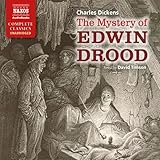
- Audible Audiobook
- Charles Dickens (Author) - David Timson (Narrator)
- English (Publication Language)
- 02/22/2012 (Publication Date) - Naxos AudioBooks (Publisher)
Common Myths About The Mystery Of Edwin Drood
- Myth: The novel is simply an incomplete story with no substantial literary merit.
- Why it matters: This perspective dismisses the significant artistic achievements in characterization, atmosphere, and thematic exploration that Dickens did accomplish.
- Fix: Approach it as a fascinating fragment that showcases Dickens’s mature artistry and his ability to create compelling narratives even without a full resolution.
- Myth: Dickens’s death was the sole reason the story remained unfinished.
- Why it matters: While his death was the immediate cause, the narrative structure itself, with its deliberate ambiguities and foreshadowing, suggests a planned openness that invites reader participation.
- Fix: Recognize that the unfinished state is an integral part of the novel’s long-term relevance, inviting ongoing reader interpretation and debate.
Expert Tips for Reading The Mystery Of Edwin Drood
- Tip 1: Embrace the ambiguity of Cloisterham.
- Actionable Step: Pay close attention to the descriptions of Cloisterham’s cathedral and its surrounding streets. Note the contrast between the seemingly tranquil surface and the undercurrent of unease.
- Common Mistake to Avoid: Assuming that the setting is merely a backdrop. The town’s atmosphere is a character in itself, contributing significantly to the mystery and its psychological undertones.
- Tip 2: Focus on John Jasper’s psychological state.
- Actionable Step: When reading scenes involving John Jasper, especially those detailing his opium-induced states, analyze his internal monologue and his interactions for clues to his motivations and mental condition.
- Common Mistake to Avoid: Dismissing his opium use as a mere plot device. It is central to understanding his character, his perceived reality, and his potential actions.
- Tip 3: Consider the role of music and sound.
- Actionable Step: Notice recurring musical motifs or descriptions of sounds within the narrative, particularly those associated with John Jasper’s role as choirmaster or the general ambiance of the town.
- Common Mistake to Avoid: Underestimating the symbolic weight of sonic elements in Dickens’s works; they often carry thematic or character-revealing significance that contributes to the overall atmosphere.
The Mystery Of Edwin Drood by Charles Dickens: A Deeper Dive
The enduring fascination with The Mystery Of Edwin Drood by Charles Dickens stems not just from its unresolved plot but from its potent atmosphere and complex psychological portraiture. Dickens, in his final work, masterfully crafts a setting that is both visually rich and thematically resonant. Cloisterham, with its imposing cathedral and shadowy alleys, becomes a character in its own right, mirroring the hidden secrets and moral ambiguities of its inhabitants. The novel is a testament to Dickens’s late-career development, moving beyond the more straightforward narratives of his earlier works to explore darker, more nuanced aspects of human nature.
The strength of The Mystery Of Edwin Drood by Charles Dickens lies in its evocative prose and its compelling cast of characters, particularly the enigmatic choirmaster, John Jasper. His obsessive love for his nephew’s fiancée, Rosa Bud, and his suspected involvement in Edwin Drood’s disappearance, form the novel’s central enigma. Dickens’s portrayal of Jasper’s descent into opium addiction and his tormented psyche is both chilling and deeply insightful, offering a stark look at the destructive power of unfulfilled desire and addiction. The novel invites readers to piece together fragments of evidence, making them active participants in the unfolding drama.
Segmentation: Reader Level
- Beginner Dickens Readers: This is not the ideal starting point. The unfinished nature can be frustrating, and the thematic complexity may be overwhelming without prior exposure to Dickens’s broader style and narrative conventions.
- Intermediate Dickens Readers: Readers familiar with Dickens’s oeuvre will appreciate the mature themes and stylistic evolution. They are more likely to engage with the speculative aspect of the unfinished narrative and its place within his body of work.
- Advanced Literary Scholars: The novel is a rich text for analysis, offering insights into Dickens’s creative process, his engagement with contemporary social issues, and the nature of literary incompletion and reader reception.
Surprising Pick: The Role of Minor Characters
While John Jasper is the obvious focus, the novel’s true genius often lies in the subtly drawn minor characters who hint at larger societal structures and hidden narratives. Consider the enigmatic Durdles, the stonemason, or Mr. Crisparkle, the robust minor canon. Their seemingly peripheral roles often contain crucial thematic elements or potential plot threads that were never fully developed. Their presence suggests that the world of Cloisterham is far more intricate than the central mystery alone reveals, offering a glimpse into Dickens’s expansive imagination and his keen observation of human society.
Common Mistakes
- Mistake: Expecting a definitive conclusion.
- Why it matters: This leads to disappointment and can overshadow the novel’s considerable literary achievements in character, atmosphere, and thematic exploration.
- Fix: Approach the novel as a masterfully constructed fragment, appreciating its atmosphere, character development, and thematic depth as ends in themselves, rather than solely as precursors to an absent resolution.
- Mistake: Over-reliance on early plot points or initial assumptions.
- Why it matters: Dickens was a master of misdirection, and early clues might be intentionally misleading to test the reader’s critical faculties.
- Fix: Maintain a critical distance from initial assumptions, re-evaluating characters and events as new
Quick Comparison
| Option | Best for | Pros | Watch out |
|---|---|---|---|
| The Mystery Of Edwin Drood by Charles Dickens Who This Book Is For | General use | Readers who appreciate atmospheric Victorian settings and complex character s… | Mistake to avoid: Do not expect a neat, resolved plot. Embrace the ambiguity… |
| What to Check First | General use | Those intrigued by literary puzzles and unfinished works. If you enjoy specul… | Mistake to avoid: Do not prematurely settle on one suspect; Dickens masterful… |
| Step-by-Step Plan for Approaching The Mystery Of Edwin Drood | General use | Acknowledge its unfinished nature: Dickens died before completing the novel,… | Mistake to avoid: Overlooking the thematic depth in favor of solely focusing… |
| Common Myths About The Mystery Of Edwin Drood | General use | Familiarize yourself with Dickens’s later style: His later works often featur… | Mistake to avoid: Treating any single proposed ending as definitive fact; rem… |
Decision Rules
- If reliability is your top priority for The Mystery Of Edwin Drood by Charles Dickens, choose the option with the strongest long-term track record and support.
- If value matters most, compare total ownership cost instead of headline price alone.
- If your use case is specific, prioritize fit-for-purpose features over generic ‘best overall’ claims.
How this list was curated
- We selected titles using clarity, practical usefulness, and long-term relevance.
- We balanced foundational picks with specialized options for different reader goals.
Structured Pick Cards
Segmentation: Reader Level
- Best for: readers who want practical takeaways and clear progression.
- Skip if: you need only advanced theory with little implementation guidance.
- Trade-off: stronger depth can mean a slower pace in some chapters.
Surprising Pick: The Role of Minor Characters
- Best for: readers who want practical takeaways and clear progression.
- Skip if: you need only advanced theory with little implementation guidance.
- Trade-off: stronger depth can mean a slower pace in some chapters.
Readers who appreciate atmospheric Victorian settings and complex character studies. T
- Best for: readers who want practical takeaways and clear progression.
- Skip if: you need only advanced theory with little implementation guidance.
- Trade-off: stronger depth can mean a slower pace in some chapters.
By Reader Level
- Beginner: start with one fundamentals pick and one habit-building pick.
- Intermediate: prioritize books with frameworks you can apply weekly.
- Advanced: choose deeper titles focused on systems and decision quality.
FAQ
Q: Where should I start?
A: Start with the clearest foundational pick, then add one practical framework-focused title.
Q: How many books should I read first?
A: Begin with 2–3 complementary books and apply one core idea from each before adding more.