Chaim Potok’s ‘The Chosen’: Faith, Friendship, and Tradition
Chaim Potok’s The Chosen is a seminal work that delves into the complex intersection of faith, intellect, and friendship within the American Jewish community of the 1940s. The narrative centers on Danny Saunders, the son of a revered Hasidic Rebbe, and Reuven Malter, from a Modern Orthodox background. Their lives, initially set on divergent paths, become intertwined through a violent confrontation and a subsequent, profound intellectual and emotional bond. This novel offers a nuanced exploration of tradition, modernity, and the universal quest for understanding in a world grappling with immense historical shifts.
The Chosen by Chaim Potok: A Concise Overview
- Central Conflict: The story navigates the ideological and emotional disparities between Hasidic and Modern Orthodox Judaism through the developing relationship of its two young protagonists.
- Thematic Depth: Explores the enduring tension between faith and reason, the weight of tradition versus the pull of modernity, and the formative power of genuine friendship.
- Reader Value: Provides readers with a thoughtful examination of internal religious dialogues and the challenges of personal identity formation within a community context.
Who This Book Is For
- Readers interested in coming-of-age narratives that focus on intellectual and spiritual growth.
- Individuals seeking literary fiction that offers insight into specific religious and cultural traditions, particularly within American Judaism.
Initial Considerations for Understanding The Chosen
- Historical Setting: The novel is deeply embedded in the socio-religious landscape of Brooklyn, New York, during the post-World War II era. Understanding this context is crucial for appreciating the characters’ motivations and the community dynamics.
- Jewish Denominations: Familiarity with the basic distinctions between Hasidic and Modern Orthodox Judaism will significantly enhance comprehension of the characters’ backgrounds and the story’s central conflicts.
- Protagonist Roles: Recognize that Danny is being groomed for leadership within his Hasidic community, while Reuven comes from a background that more readily integrates secular learning with religious observance.
- Catalyst Event: The narrative is significantly propelled by an intense baseball game between their respective yeshiva schools, which escalates into a physical altercation and serves as the unlikely genesis of their relationship.
Navigating The Chosen by Chaim Potok: A Structured Approach
1. Examine Danny Saunders’s Upbringing: Observe the unique pressures and expectations placed on Danny as the potential successor to his father, a revered Hasidic Rebbe. Note his father’s unconventional encouragement of Danny’s intellectual curiosity and his own internal struggles with this destiny.
- What to Look For: The profound influence of his father’s silent guidance and the burden of inheriting a spiritual legacy.
- Mistake to Avoid: Labeling Danny’s questioning solely as rebellion; his intellectual pursuits are often driven by a deep desire for understanding, sanctioned by his father.
Chaim Potok’s seminal novel, The Chosen, offers a profound exploration of faith, friendship, and tradition within the American Jewish community of the 1940s. It’s a must-read for anyone interested in coming-of-age stories with intellectual depth.
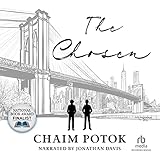
- Audible Audiobook
- Chaim Potok (Author) - Jonathan Davis (Narrator)
- English (Publication Language)
- 09/16/2005 (Publication Date) - Recorded Books (Publisher)
2. Analyze Reuven Malter’s Perspective: Understand Reuven’s world within a Modern Orthodox framework, where secular studies and intellectual discourse are encouraged alongside religious observance. Focus on his father’s role as an educator and his emphasis on reasoned debate.
- What to Look For: Reuven’s analytical mind and his father’s influence in fostering intellectual independence.
- Mistake to Avoid: Underestimating Reuven’s internal conflicts; he also grapples with faith and the limitations of pure reason.
3. Trace the Development of Their Friendship: Follow the evolution of Danny and Reuven’s relationship from initial animosity following their confrontation to a deep intellectual and emotional bond. Observe how their discussions about Talmud, philosophy, and life bridge their differing backgrounds.
- What to Look For: The intellectual sparring and mutual respect that form the bedrock of their connection.
- Mistake to Avoid: Viewing their friendship as merely a plot device to unite opposing factions; it is a genuine and vital relationship for both characters’ growth.
4. Evaluate the Role of the Fathers: Pay close attention to the contrasting leadership styles and philosophies of Rabbi Saunders and Mr. Malter. Their interactions with their sons and with each other reveal differing approaches to faith, tradition, and modernity.
- What to Look For: The wisdom, limitations, and profound impact of each father’s guidance on his son’s development.
- Mistake to Avoid: Reducing the fathers to simple archetypes; they are complex individuals wrestling with their own beliefs and their sons’ futures.
5. Consider the Theme of Silence and Communication: Observe how silence functions within the narrative, particularly in Danny’s relationship with his father and within the broader community’s response to historical events.
- What to Look For: Instances where unspoken emotions or withheld truths carry significant weight.
- Mistake to Avoid: Overlooking the power of what is not said; silence often communicates as much as dialogue in The Chosen.
6. Acknowledge External Historical Influences: Note how the aftermath of the Holocaust and the establishment of the State of Israel subtly shape the characters’ anxieties and their understanding of Jewish identity and continuity.
- What to Look For: How these global events inform the characters’ internal dialogues and their community’s collective consciousness.
- Mistake to Avoid: Isolating the story to the personal lives of the protagonists without recognizing the historical context that informs their spiritual and intellectual inquiries.
Common Misconceptions About The Chosen by Chaim Potok
- Misconception: The novel rigidly favors one Jewish tradition over another.
- Why it Matters: This perspective misses the book’s core strength: its balanced portrayal of internal Jewish debates and the inherent validity of diverse approaches to faith. Potok champions intellectual inquiry and personal conviction across different streams of Judaism.
- Correction: Approach The Chosen as an exploration of the broad range of Jewish thought, recognizing that the novel values deep engagement with tradition and belief, regardless of specific affiliation.
- Misconception: Danny Saunders is simply a rebellious teenager acting out against his prescribed religious future.
- Why it Matters: Danny’s “rebellion” is primarily intellectual and spiritual. His father actively encourages his profound questioning, viewing it as a sign of a deep soul and a necessary component of his development as a leader, rather than mere defiance.
- Correction: Focus on Danny’s internal wrestling with complex theological and philosophical questions and his father’s nuanced encouragement of his intellectual journey. Understand his struggle as one of profound growth and understanding.
- Misconception: The friendship between Danny and Reuven exists solely to unite opposing religious factions.
- Why it Matters: While their friendship does serve to bridge divides, its significance extends far beyond narrative convenience. It is a genuine source of intellectual stimulation, emotional support, and personal growth for both boys, enabling them to perceive the world through varied lenses.
- Correction: Appreciate the depth and authenticity of their bond as a partnership in intellectual and spiritual exploration, where they challenge, learn from, and ultimately support each other’s developing worldviews.
Expert Insights for Reading The Chosen
BLOCKQUOTE_0
This quote encapsulates the novel’s central tension: the human desire to understand faith through reason versus the inherent spiritual and emotional dimensions that transcend logical explanation. Potok suggests that true understanding often requires an integration of both intellect and intuition.
Reading Context and Verdict for The Chosen by Chaim Potok
- Strengths:
- Character Depth: The novel excels in its portrayal of complex, evolving adolescent characters and their influential fathers. Danny and Reuven feel authentic in their struggles and growth.
- Thematic Richness: Potok masterfully weaves together themes of faith, intellect, tradition, and modernity, offering a deeply philosophical exploration within a compelling narrative.
- Cultural Insight: Provides a sensitive and informed look into the nuances of Jewish life and internal debates in mid-20th century America, making it valuable for both those familiar and unfamiliar with the context.
- Writing Style: Potok’s prose is precise, thoughtful, and accessible, allowing the profound themes to resonate without becoming overly academic or dense.
- Limitations:
- Pacing: Some readers might find certain sections, particularly those focused on Talmudic debate, to be slower-paced.
- Specific Audience Appeal: While universally thematic, the deep dive into specific religious traditions might be less engaging for readers with no interest in religious or cultural exploration.
- Verdict: The Chosen is a highly recommended read for anyone interested in character-driven narratives that explore profound intellectual and spiritual questions. Its exploration of friendship across divides and the universal struggle for identity makes it a lasting contribution to American literature.
Quick Comparison
| Option | Best for | Pros | Watch out |
|---|---|---|---|
| The Chosen by Chaim Potok A Concise Overview | General use | Central Conflict: The story navigates the ideological and emotional dispariti… | Mistake to Avoid: Labeling Danny’s questioning solely as rebellion; his intel… |
| Who This Book Is For | General use | Thematic Depth: Explores the enduring tension between faith and reason, the w… | Mistake to Avoid: Underestimating Reuven’s internal conflicts; he also grappl… |
| Initial Considerations for Understanding The Chosen | General use | Reader Value: Provides readers with a thoughtful examination of internal reli… | Mistake to Avoid: Viewing their friendship as merely a plot device to unite o… |
| Navigating The Chosen by Chaim Potok A Structured Approach | General use | Readers interested in coming-of-age narratives that focus on intellectual and… | Mistake to Avoid: Reducing the fathers to simple archetypes; they are complex… |
Decision Rules
- If reliability is your top priority for The Chosen by Chaim Potok, choose the option with the strongest long-term track record and support.
- If value matters most, compare total ownership cost instead of headline price alone.
- If your use case is specific, prioritize fit-for-purpose features over generic ‘best overall’ claims.
FAQ
- Q: Is The Chosen primarily a religious book, or is it accessible to readers of any background?
- A: While deeply rooted in Jewish tradition, The Chosen is fundamentally a story about universal human experiences: the search for meaning, the complexities of family, and the power of friendship. Potok’s clear prose and focus on character development make it accessible and engaging for readers of all backgrounds.
- Q: What is the core message or takeaway from The Chosen?
- A: The novel’s enduring message lies in its exploration of how individuals can navigate deeply held beliefs and traditions while embracing intellectual curiosity and forging meaningful connections across differences. It highlights the importance of dialogue and mutual understanding.
- Q: How does the historical context of post-World War II America inform the novel’s themes?
- A: The era, marked by the aftermath of the Holocaust and the establishment of Israel, imbues the novel with a sense of urgency regarding Jewish identity, continuity, and the critical need for intellectual engagement with faith. The characters’ personal struggles are amplified by the collective anxieties of the time.
- Q: What makes The Chosen