B. J. Novak’s ‘The Book With No Pictures’ Interactive Fun
B. J. Novak’s “The Book With No Pictures” presents a unique challenge and opportunity for adult readers and young audiences. Unlike traditional children’s books, its power lies not in illustrations, but in the reader’s commitment to performing the text, no matter how absurd. This guide outlines how to effectively engage with this unconventional book, focusing on its mechanics, potential pitfalls, and how to maximize its comedic impact.
The Book With No Pictures by B. J. Novak: Quick Answer
- “The Book With No Pictures” by B. J. Novak is a meta-fictional children’s book that relies entirely on the reader’s performance of the text to create humor and engagement.
- The core mechanism involves the reader being compelled by the book’s rules to say silly words and make funny noises, leading to laughter from the child audience.
- Success with this book is contingent on the reader fully embracing the premise and performing the text with enthusiasm, making it an exercise in shared comedic commitment.
Who This Is For
- Parents, caregivers, and educators seeking an engaging, high-energy read-aloud experience for children aged approximately 4 to 8 years old.
- Individuals looking for a book that actively involves the reader and encourages children to participate through laughter and anticipation.
What to Check First
- Reader’s Age and Temperament: While broadly appealing, the book’s humor is best suited for children who can follow simple instructions and appreciate absurd wordplay. Very young toddlers may not grasp the concept.
- Reader’s Willingness to Perform: The book’s effectiveness is directly tied to the adult reader’s commitment to saying the silly words and sounds with conviction. A hesitant or reluctant performer will significantly diminish the experience.
- Reading Environment: A relaxed setting where spontaneous laughter and silliness are welcomed will enhance the enjoyment and encourage uninhibited participation.
- Understanding of the Premise: It is crucial to recognize that this book lacks traditional illustrations. The entire “story” and humor are derived from the act of reading the words as dictated by the text.
Step-by-Step Plan for Reading “The Book With No Pictures”
1. Establish the Rules: Begin by clearly stating to the child, “This book has no pictures. That means I have to say every word on every page. Even if you tell me to say something ridiculous, like ‘BLURP!’ Or if you tell me to make a noise like a frog.”
- What to look for: A child’s attentive curiosity and potential amusement at the idea of the reader being bound by the book’s text.
- Mistake: Failing to explain the premise upfront, which can lead to confusion or a lack of engagement as the child may not understand why the reader is saying odd things.
2. Initiate the Reading: Start reading the first page precisely as written.
- What to look for: The child’s initial reaction to the unexpected words or phonetic spellings.
- Mistake: Hesitating or attempting to “tone down” the silly words, which undermines the book’s core comedic mechanism and the reader’s commitment.
3. Embrace the Absurdity: When the text instructs you to say specific funny words or make noises, deliver them with full conviction and enthusiasm. For instance, if the text reads, “I MUST say ‘GLARG!'” then say “GLARG!” loudly and clearly.
- What to look for: Genuine laughter and anticipation from the child as they await the next silly utterance.
- Mistake: Reading the funny words in a monotone or with an embarrassed tone, which will neutralize the intended humor.
4. Adhere Strictly to Instructions: Follow all phonetic spellings and sound effect requests precisely as they appear in the text, even if they seem nonsensical.
- What to look for: The child pointing to words, encouraging you to say them, or erupting in laughter.
- Mistake: Skipping or altering any mandated sounds or words, thereby breaking the reader’s established obligation and disrupting the comedic flow.
5. Maintain Connection: While reading, try to make eye contact with the child between lines or immediately after delivering a particularly amusing word or sound.
- What to look for: Shared amusement and a palpable sense of connection forged through the humor.
- Mistake: Focusing solely on the page and appearing disconnected from the child’s reactions and enjoyment.
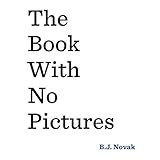
- Audible Audiobook
- B. J. Novak (Author) - B. J. Novak, Busy Phillips (Narrators)
- English (Publication Language)
- 09/30/2014 (Publication Date) - Listening Library (Publisher)
6. Deliver the Conclusion: Read the final pages, which often involve the reader being unable to cease uttering the silly words, reinforcing the book’s premise.
- What to look for: The child’s delight in seeing the reader “trapped” by the book’s humorous stipulations.
- Mistake: Rushing through the ending without fully committing to the final declarations, thereby diminishing the comedic payoff.
7. Reflect on the Experience: After finishing, engage the child by asking which words or sounds they found the most humorous.
- What to look for: The child actively recalling and repeating their favorite silly words, demonstrating recall and continued enjoyment.
- Mistake: Immediately transitioning to another activity without acknowledging or discussing the shared reading experience and its humorous elements.
The Book With No Pictures by B. J. Novak: Unpacking the Performance Principle
This book operates on a unique principle: the reader becomes an unwilling, yet hilarious, participant in the narrative. The central tenet is that the adult reader, bound by the printed word, is forced to utter absurdities. This meta-narrative bypasses the need for traditional illustrations, placing the full responsibility for imaginative engagement and comedic delivery squarely on the performer. The success of “The Book With No Pictures by B. J. Novak” hinges on the audience’s understanding that the humor is intentionally constructed through the reader’s reluctant adherence to the text.
BLOCKQUOTE_0
Common Myths Debunked
- Myth: This book is meant for children to read themselves.
- Correction: “The Book With No Pictures” is designed as a read-aloud experience. The humor and engagement come from an adult reader performing the text, not from a child deciphering it. Children are meant to be the audience reacting to the reader’s performance.
- Myth: The book will be funny regardless of how I read it.
- Correction: The book’s humor is entirely performance-dependent. A flat, unenthusiastic reading will not elicit laughter. The reader must commit to the silly words and sounds with energy and exaggeration.
Expert Tips for Maximizing Engagement
- Tip: Use exaggerated vocalizations.
- Actionable Step: When encountering words like “BLURP” or “GLARG,” make them sound as ridiculous as possible. Vary pitch, volume, and tone to amplify the absurdity.
- Mistake to Avoid: Reading these words in a normal, conversational tone, which will fail to capture the intended silliness.
- Tip: Maintain a sense of mock reluctance.
- Actionable Step: When reading the instructions that force you to say silly things, adopt a slightly exasperated or surprised tone, as if you can’t believe the book is making you do this.
- Mistake to Avoid: Reading these instructions with genuine enthusiasm, which removes the comedic tension of being compelled to say something against your (feigned) will.
- Tip: Pace yourself for maximum impact.
- Actionable Step: Pause slightly before delivering particularly funny words or instructions, allowing the anticipation to build. Follow this with a clear, pronounced delivery.
- Mistake to Avoid: Rushing through the text, which prevents the child from fully appreciating each comedic moment and the reader’s “struggle.”
“The Book With No Pictures” by B. J. Novak: A Comparative Overview
| Aspect | Description | Strengths | Limitations |
|---|---|---|---|
| Core Concept | Reader performs text, creating humor through forced absurdity. | High engagement, unique interactive experience. | Entirely dependent on reader’s performance; no traditional narrative or illustrations. |
| Target Audience Engagement | Children react to reader’s performance of silly words and sounds. | Promotes active listening, anticipation, and shared laughter. | May not resonate with children who prefer visual stimuli or more conventional stories. |
| Reader’s Role | Obligated to read all text, including made-up words and phonetic spellings. | Positions the reader as a central, comedic figure. | Requires significant commitment and willingness to embrace silliness; can be tiring for the reader. |
| Textual Innovation | Relies on invented words and phonetic spellings for comedic effect. | Creates a novel linguistic experience for children. | The invented words themselves are not inherently meaningful beyond their sound and context. |
Decision Boundaries
- Select if: You have a child who enjoys interactive activities, silliness, and shared laughter, and you are willing to commit to a dynamic reading performance.
- Consider alternatives if: You or the child prefer books with traditional illustrations, complex narratives, or if you are unable to dedicate yourself to an energetic read-aloud performance. This book is not suitable for independent reading by young children.
Decision Rules
- If reliability is your top priority for The Book With No Pictures by B. J. Novak, choose the option with the strongest long-term track record and support.
- If value matters most, compare total ownership cost instead of headline price alone.
- If your use case is specific, prioritize fit-for-purpose features over generic ‘best overall’ claims.
FAQ
- Q: At what age does “The Book With No Pictures” typically resonate most effectively?
- A: The book is generally recommended for ages 4 to 8. Children in this range are typically able to grasp the concept of the reader being bound by the text and find the forced silliness amusing. Younger children may not understand the premise, and older children might find it less novel.
- Q: Is it truly necessary to say every single word, even the nonsensical ones?
- A: Yes, adhering to every word is critical