Ann Fessler’s The Girls Who Went Away Examined
Quick Answer
- The Girls Who Went Away by Ann Fessler meticulously documents the experiences of young women forced to relinquish children for adoption between the 1940s and 1970s.
- It reveals the profound societal pressures, institutional influences, and lasting emotional trauma associated with these separations.
- This work is vital for understanding a suppressed history of family separation and its intergenerational effects, offering a counter-narrative to idealized adoption stories.
Who This Is For
- Readers interested in social history, particularly the post-World War II era’s impact on women and family structures.
- Individuals seeking to understand the complexities of adoption from the perspective of birth mothers, moving beyond simplistic narratives.
What to Check First
- Historical Context: Familiarize yourself with the social, legal, and religious norms of the 1940s-1970s regarding unwed motherhood and adoption.
- Author’s Methodology: Understand that Fessler primarily uses oral histories, emphasizing personal testimonies and lived experiences over statistical data.
- Scope of Focus: Recognize that the book centers on a specific demographic and time frame, not representing all adoption experiences universally.
- Emotional Intensity: Be prepared for deeply personal and often traumatic accounts; the book requires a sensitive and empathetic reading approach.
Step-by-Step Plan for Understanding The Girls Who Went Away by Ann Fessler
1. Engage with the Introduction:
- Action: Read Fessler’s preface and introduction carefully.
- What to Look For: The author’s stated objectives, the historical periods covered, and the primary source material (oral histories).
- Mistake: Skipping this section and missing the foundational context and methodology that shapes the entire narrative.
2. Examine Early Testimonies (1940s-1950s):
- Action: Read the initial chapters featuring accounts from the earlier decades.
- What to Look For: Overt societal condemnation, the role of religious and social institutions in pressuring young women, and the lack of autonomy.
- Mistake: Underestimating the severity of coercion and shame prevalent in these earlier periods, assuming modern perspectives apply.
3. Trace Shifting Societal Norms (1960s-1970s):
- Action: Progress through the narratives from the later decades covered.
- What to Look For: Subtle changes in societal attitudes, evolving justifications for relinquishment, and the continued impact of secrecy.
- Mistake: Assuming the experiences of women remained static across the entire time span; recognize the nuanced evolution.
4. Analyze Familial and Relational Dynamics:
- Action: Pay close attention to the roles of parents, partners, and the fathers of the children.
- What to Look For: The varying degrees of support or pressure from families, and the often-absent or unsupportive role of the biological father.
- Mistake: Isolating the birth mother’s experience without considering the broader family and relationship context that influenced decisions.
5. Assess Long-Term Psychological Consequences:
- Action: Focus on the sections detailing the aftermath for the women years and decades later.
- What to Look For: Enduring grief, identity struggles, internalized shame, and complex emotional responses.
- Mistake: Believing relinquishment was a singular event with no lasting psychological impact or that women simply “got over it.”
6. Deconstruct the “Good Mother” Paradox:
- Action: Analyze Fessler’s exploration of how societal expectations shaped women’s self-perception.
- What to Look For: The pressure to be a “good” mother by sacrificing for the child’s perceived better future, and the subsequent guilt.
- Mistake: Failing to grasp the profound irony of being deemed “good” through an act of separation and loss.
7. Synthesize Fessler’s Conclusion:
- Action: Read Fessler’s concluding remarks and any discussion of ongoing legacies.
- What to Look For: The author’s final synthesis of the book’s themes and the intergenerational impact of these historical separations.
- Mistake: Ending the reading prematurely and not fully absorbing the author’s overarching message about historical injustice and its echoes.
Ann Fessler’s powerful book, The Girls Who Went Away, meticulously documents the experiences of young women forced to relinquish children for adoption between the 1940s and 1970s. It’s an essential read for understanding a suppressed history of family separation.
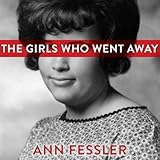
- Audible Audiobook
- Ann Fessler (Author) - Coleen Marlo (Narrator)
- English (Publication Language)
- 03/08/2016 (Publication Date) - Tantor Audio (Publisher)
The Girls Who Went Away by Ann Fessler: Uncovering a Suppressed History
Ann Fessler’s The Girls Who Went Away is a profound and unflinching excavation of a deeply painful chapter in American social history: the experience of young, unmarried women who relinquished their children for adoption between the 1940s and 1970s. This is not a narrative of simple choice, but a complex tapestry woven from societal judgment, institutional pressures, and the desperate desire to conform to prevailing norms. Fessler masterfully compiles raw, firsthand oral histories, creating a powerful testament to the lives irrevocably altered by these separations. The book’s core strength lies in its direct, unvarnished portrayal of the emotional journeys of these women, from the initial shock and shame to the lifelong, often unacknowledged, impact of loss.
A critical thematic thread running through The Girls Who Went Away by Ann Fessler is the pervasive societal narrative that a young woman who became pregnant outside of marriage was inherently flawed and incapable of responsible motherhood. This narrative, reinforced by religious organizations, social workers, and even family members, frequently presented adoption as the only “moral” or “responsible” path. Fessler’s careful presentation of these testimonies reveals a systemic pattern of coercion, where genuine alternatives were rarely, if ever, explored. The women were often isolated, their pregnancies hidden, and their decisions made under immense duress, with the promise of a “good” adoptive family serving as a palliative for their own perceived moral failings.
BLOCKQUOTE_0
The Girls Who Went Away by Ann Fessler: A Counter-Narrative to Idealized Adoption
The significance of Fessler’s work extends beyond historical documentation; it compels readers to confront the enduring consequences of these separations, not only for the mothers but also for the relinquished children and their adoptive families. Fessler highlights the profound, often unacknowledged grief experienced by birth mothers, a grief that can manifest in various psychological and emotional challenges throughout their lives. The narrative forces a critical re-evaluation of idealized adoption stories, exposing the often-brutal realities that underpinned them. This work is essential for anyone seeking a comprehensive understanding of family formation, reproductive rights, and the long shadow cast by mid-20th-century social policies.
Common Myths About Adoption and Relinquishment
- Myth 1: Birth mothers always had a free and uncoerced choice in relinquishing their children.
- Why it matters: This myth erases the significant societal, familial, and institutional pressures that often left young women with little genuine agency, perpetuating a false narrative of autonomy.
- Fix: Recognize that “choice” was frequently heavily influenced by coercion, shame, and a lack of viable alternatives presented by the dominant social and institutional structures of the time.
- Myth 2: Relinquishing a child was a straightforward decision that women easily moved on from.
- Why it matters: This trivializes the profound emotional and psychological impact of separation, minimizing the trauma experienced by birth mothers.
- Fix: Understand that relinquishment was often a deeply traumatic event leading to lifelong grief, identity conflicts, and a complex emotional landscape for birth mothers, as detailed in Fessler’s accounts.
- Myth 3: Adoption always guaranteed a better life for the child, negating any negative aspects for the birth mother.
- Why it matters: This generalization ignores the potential for trauma for all parties involved and the societal factors that created the desperate need for relinquishment in the first place.
- Fix: Acknowledge that while adoption aimed to provide stability, the process often involved significant emotional costs and did not negate the inherent loss and grief experienced by the birth mother.
Expert Tips for Engaging with The Girls Who Went Away
- Tip 1: Contextualize the Era’s Social Norms:
- Actionable Step: Before or during reading, research the specific social, legal, and religious norms surrounding unwed pregnancy and adoption in the United States during the 1940s-1970s.
- Common Mistake to Avoid: Judging the actions and decisions of the women in the book through a contemporary lens without fully understanding the limited options, intense social stigmas, and pervasive moral judgments of their time.
- Tip 2: Embrace the Oral History Approach:
- Actionable Step: Approach the narratives as deeply personal testimonies, recognizing that individual experiences are paramount and may not always align with broader statistical trends or official records.
- Common Mistake to Avoid: Seeking objective, statistical validation for every personal anecdote; the unique power of this book lies in its qualitative depth and emotional resonance, not its quantitative data.
- Tip 3: Consider the Intergenerational Impact:
- Actionable Step: Reflect on how the decisions made by the women in the book may have influenced subsequent generations of their families, even if indirectly, through inherited trauma or unspoken family histories.
- Common Mistake to Avoid: Viewing the stories as solely belonging to the women of that era, without considering the potential ripple effects on their biological children and their descendants, or the broader societal legacy.
| Aspect of Experience | 1940s-1950s Dominant Trend | 1960s-1970s Nuances | Lasting Impact |
|---|
Decision Rules
- If reliability is your top priority for The Girls Who Went Away by Ann Fessler, choose the option with the strongest long-term track record and support.
- If value matters most, compare total ownership cost instead of headline price alone.
- If your use case is specific, prioritize fit-for-purpose features over generic ‘best overall’ claims.