An Introduction to Elena Ferrante’s Neapolitan Novels
For readers seeking a profound exploration of female friendship, class, and the complexities of Italian society, Elena Ferrante’s Neapolitan Novels offer a compelling, immersive experience. This quartet of books—My Brilliant Friend, The Story of a New Name, Those Who Leave and Those Who Stay, and The Story of the Lost Child—chronicles the lifelong bond between Elena Greco and Raffaella Cerullo, set against the vibrant, often brutal backdrop of post-war Naples.
Who This Guide Is For
- Readers new to Elena Ferrante: This guide provides a foundational understanding of the series’ scope, themes, and why it resonates with such a broad audience.
- Those considering a deep literary commitment: The Neapolitan Novels are a significant undertaking; this introduction helps assess if the narrative style and thematic depth align with your reading preferences.
What to Check First
Before diving into the Neapolitan Novels, consider these elements:
- Narrative Voice: The series is told from the first-person perspective of Elena Greco. Her voice is introspective, observant, and often self-critical, shaping how events and characters are perceived.
- Setting and Atmosphere: Naples is not merely a backdrop but a character in itself. The novels vividly depict its poverty, violence, social stratification, and enduring spirit.
- Thematic Depth: Expect explorations of ambition, identity, social mobility, the impact of violence, the nature of intelligence, and the enduring, often fraught, nature of female relationships.
- Pacing and Scope: These are long, expansive novels that track the protagonists over decades. The narrative unfolds gradually, with a focus on character development and societal observation rather than rapid plot progression.
Step-by-Step Plan for Engaging with The Neapolitan Novels by Elena Ferrante
1. Begin with My Brilliant Friend: This is the designated starting point.
- Action: Read the first novel.
- What to look for: The establishment of the central friendship between Lenù and Lila, their distinct personalities, and the socio-economic realities of their childhood neighborhood.
- Mistake to avoid: Expecting immediate dramatic resolutions; the novel builds its world and characters deliberately.
2. Progress to The Story of a New Name: The second installment continues the narrative arc.
- Action: Read the second novel.
- What to look for: The divergence of Lenù and Lila’s paths as they enter adolescence and young adulthood, and the increasing complexities of their lives and choices.
- Mistake to avoid: Underestimating the thematic shifts; this book deepens the exploration of societal pressures and personal agency.
3. Continue with Those Who Leave and Those Who Stay: The series moves into the protagonists’ adult lives.
- Action: Read the third novel.
- What to look for: How Lenù and Lila navigate marriage, careers, and political engagement in a turbulent Italy, and how their friendship adapts.
- Mistake to avoid: Assuming the core dynamic remains static; the characters evolve significantly, often in challenging ways.
4. Conclude with The Story of the Lost Child: The final novel brings the saga to its conclusion.
- Action: Read the fourth novel.
- What to look for: The resolution of the overarching narrative, the enduring impact of their past, and the final state of their complex relationship.
- Mistake to avoid: Seeking a neat or entirely predictable ending; Ferrante’s conclusions are often as nuanced and thought-provoking as the journey itself.
Common Mistakes When Reading The Neapolitan Novels
- Focusing solely on plot: The novels are rich in character and thematic development.
- Why it matters: Overemphasis on plot can lead to overlooking the nuanced social commentary and psychological depth.
- Fix: Pay close attention to character motivations, internal monologues, and the social context.
- Underestimating the role of Naples: The city is a vital element of the narrative.
- Why it matters: Ignoring the setting disconnects the characters’ experiences from their environment, which significantly shapes their lives.
- Fix: Observe how the city’s specific conditions—poverty, crime, social hierarchies—influence the characters’ decisions and opportunities.
- Expecting simple resolutions to complex relationships: The friendship between Lenù and Lila is central and often turbulent.
- Why it matters: The realism of their bond, with its envy, admiration, and conflict, is a key strength; expecting constant harmony misses this crucial aspect.
- Fix: Appreciate the messy, evolving nature of their relationship as a reflection of real-life dynamics.
For readers seeking a profound exploration of female friendship, class, and the complexities of Italian society, Elena Ferrante’s Neapolitan Novels offer a compelling, immersive experience. This quartet of books chronicles the lifelong bond between Elena Greco and Raffaella Cerullo, set against the vibrant, often brutal backdrop of post-war Naples.
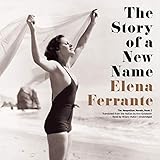
- Audible Audiobook
- Elena Ferrante (Author) - Hillary Huber (Narrator)
- English (Publication Language)
- 04/21/2015 (Publication Date) - Blackstone Audio, Inc. (Publisher)
- Dismissing Elena Greco’s narration as unreliable: While introspective, her perspective is the lens through which the story is told.
- Why it matters: Her self-doubt and biases are part of the narrative tapestry, not necessarily indicators of factual inaccuracy, but rather of her subjective experience.
- Fix: Analyze her narration critically, recognizing that it reflects her internal state and evolving understanding.
Understanding The Neapolitan Novels by Elena Ferrante
The Neapolitan Novels by Elena Ferrante are a literary phenomenon, lauded for their unflinching portrayal of female friendship and the socioeconomic realities of post-war Naples. The series, comprising My Brilliant Friend, The Story of a New Name, Those Who Leave and Those Who Stay, and The Story of the Lost Child, follows the intellectual and emotional journey of two women, Elena Greco and Raffaella Cerullo, from childhood to old age. Ferrante’s prose is direct and propulsive, drawing readers into a world of intense personal struggles and societal upheaval.
The core strength of the novels lies in their deep psychological realism. The friendship between Lenù and Lila is depicted with all its attendant complexities: fierce loyalty intertwined with envy, admiration mixed with resentment, and a bond that is both a source of strength and a site of conflict. This nuanced portrayal avoids romanticizing female relationships, instead presenting them as vital, evolving, and often challenging forces in women’s lives.
The series also serves as a powerful social document. It vividly illustrates the impact of class, poverty, and violence on individual lives, particularly in the vibrant, volatile setting of Naples. The narrative traces the protagonists’ attempts to transcend their origins, exploring themes of education, ambition, love, and the search for identity within a restrictive social landscape.
A Deep Dive into Character and Theme
The power of Ferrante’s work stems from its meticulous character development and thematic exploration. Lenù and Lila are complex, often contradictory figures whose individual journeys are inextricably linked. Lenù, the narrator, is often portrayed as the more conventional and academically inclined, seeking escape through education. Lila, her brilliant and volatile friend, is a force of nature whose intelligence and rebellious spirit often lead her down more destructive paths.
- Theme: Social Mobility and Education
- Example: Lenù’s pursuit of higher education as a means to escape the limitations of her neighborhood.
- Takeaway: The novels highlight the transformative, yet often insufficient, power of education in overcoming systemic disadvantages.
- Theme: The Nature of Intelligence and Creativity
- Example: Lila’s innate brilliance, which often manifests in unconventional and self-sabotaging ways.
- Takeaway: Ferrante questions societal definitions of intelligence and success, showcasing how talent can be stifled or expressed outside traditional structures.
- Theme: The Enduring Power and Peril of Female Friendship
- Example: The lifelong, often fraught, connection between Lenù and Lila, marked by both deep affection and intense rivalry.
- Takeaway: The series offers a realistic portrayal of female bonds, demonstrating their capacity for both profound support and significant pain.
BLOCKQUOTE_0
How this list was curated
This guide to The Neapolitan Novels by Elena Ferrante was curated with the following criteria:
- Depth of Thematic Exploration: Prioritizing novels that offer significant insights into complex themes like friendship, class, and identity.
- Narrative Cohesion: Ensuring the series’ overall arc and character development are considered.
- Reader Accessibility: Balancing literary merit with the narrative’s ability to engage a broad audience.
- Critical Acclaim and Impact: Considering the novels’ significant cultural impact and critical reception.
- Nuanced Character Portrayal: Focusing on the depth and realism of the characters, particularly the central friendship.
Expert Tips for Reading The Neapolitan Novels
- Tip 1: Embrace the Setting: Naples is more than a backdrop; it’s a character.
- Actionable Step: Actively research the historical and social context of Naples during the post-war period as you read.
- Common Mistake to Avoid: Treating the setting as mere scenery, thus missing its profound influence on the characters’ lives and choices.
- Tip 2: Engage with the Ambiguity: Ferrante deliberately leaves much unsaid, relying on implication and subtext.
- Actionable Step: Re-read passages that feel particularly charged or ambiguous, considering multiple interpretations of character motivations and events.
- Common Mistake to Avoid: Demanding explicit answers for every question; the novels thrive on their unresolved tensions and psychological depth.
- Tip 3: Pace Yourself: These are substantial novels, meant to be savored.
- Actionable Step: Allocate dedicated time for reading and reflection after each book, rather than rushing to the next.
- Common Mistake to Avoid: Trying to speed through the series; the richness of the narrative unfolds best with thoughtful engagement.
The Neapolitan Novels by Elena Ferrante: A Reader’s Segmentation
The Neapolitan Novels are best approached with an understanding of your reading goals and preferences.
| Reader Type | Best For
Quick Comparison
| Option | Best for | Pros | Watch out |
|---|---|---|---|
| Who This Guide Is For | General use | Readers new to Elena Ferrante: This guide provides a foundational understandi… | Mistake to avoid: Expecting immediate dramatic resolutions; the novel builds… |
| What to Check First | General use | Those considering a deep literary commitment: The Neapolitan Novels are a sig… | Mistake to avoid: Underestimating the thematic shifts; this book deepens the… |
| Step-by-Step Plan for Engaging with The Neapolitan Novels by Elena Ferrante | General use | Narrative Voice: The series is told from the first-person perspective of Elen… | Mistake to avoid: Assuming the core dynamic remains static; the characters ev… |
| Common Mistakes When Reading The Neapolitan Novels | General use | Setting and Atmosphere: Naples is not merely a backdrop but a character in it… | Mistake to avoid: Seeking a neat or entirely predictable ending; Ferrante’s c… |
Decision Rules
- If reliability is your top priority for The Neapolitan Novels by Elena Ferrante, choose the option with the strongest long-term track record and support.
- If value matters most, compare total ownership cost instead of headline price alone.
- If your use case is specific, prioritize fit-for-purpose features over generic ‘best overall’ claims.
Structured Pick Cards
A Deep Dive into Character and Theme
- Best for: readers who want practical takeaways and clear progression.
- Skip if: you need only advanced theory with little implementation guidance.
- Trade-off: stronger depth can mean a slower pace in some chapters.
**Readers new to Elena Ferrante
- Best for: readers who want practical takeaways and clear progression.
- Skip if: you need only advanced theory with little implementation guidance.
- Trade-off: stronger depth can mean a slower pace in some chapters.
**Those considering a deep literary commitment
- Best for: readers who want practical takeaways and clear progression.
- Skip if: you need only advanced theory with little implementation guidance.
- Trade-off: stronger depth can mean a slower pace in some chapters.
By Reader Level
- Beginner: start with one fundamentals pick and one habit-building pick.
- Intermediate: prioritize books with frameworks you can apply weekly.
- Advanced: choose deeper titles focused on systems and decision quality.
An under-the-radar pick worth considering is a less mainstream title that explains decision quality with unusually clear examples.
FAQ
Q: Where should I start?
A: Start with the clearest foundational pick, then add one practical framework-focused title.
Q: How many books should I read first?
A: Begin with 2–3 complementary books and apply one core idea from each before adding more.