Alan Garner’s ‘The Owl Service’: Myth and Magic
Alan Garner’s The Owl Service (1967) is a landmark novel that weaves Welsh mythology into a starkly modern psychological drama. It presents a complex, often unsettling, exploration of how ancient patterns of betrayal, transformation, and obsession can manifest in contemporary lives. This analysis dissects its narrative structure, thematic resonance, and the unique challenges it poses to readers, offering guidance for a deeper engagement with its potent blend of myth and magic.
Who This Is For
- Readers seeking literary depth: This novel is for those who appreciate intricate narratives, symbolic language, and a profound engagement with mythic structures. It rewards careful reading and contemplation.
- Those interested in the intersection of folklore and psychology: If you are drawn to how ancient stories and archetypes inform human behavior and emotional landscapes, The Owl Service offers a compelling, if challenging, case study.
What to Check First
- Awareness of the “Mabinogion”: While not a prerequisite, a basic understanding of the Welsh mythological collection, particularly the story of Blodeuwedd, will illuminate the novel’s central parallels and symbolic weight.
- Tolerance for Ambiguity: Garner deliberately crafts an elusive narrative. Readers who require clear-cut plot progression and explicit resolutions may find the novel’s open-endedness frustrating.
- Appreciation for Evocative Prose: Garner’s writing is precise, almost incantatory, creating a powerful atmosphere. An enjoyment of literary style and its capacity to evoke mood and meaning is beneficial.
- Thematic Focus: This is not a plot-driven adventure. Its strength lies in its thematic exploration of identity, cyclical trauma, and the persistence of ancient narratives.
Step-by-Step Plan: Deconstructing The Owl Service by Alan Garner
To fully appreciate the intricate layers of The Owl Service by Alan Garner, a systematic approach can be beneficial.
1. Identify the Core Mythic Parallels:
- Action: Map the relationships and events involving the three main characters – Gwyn, Roger, and Alison – to the Welsh myth of Blodeuwedd, the woman made from flowers who is transformed into an owl.
- What to Look For: Specific actions, motivations, and outcomes that echo Blodeuwedd’s story, particularly concerning betrayal, the consequences of unnatural creation, and the cyclical nature of these events.
- Mistake: Treating the mythological allusions as mere decorative elements rather than the foundational structure that governs the characters’ psychological and narrative arcs.
2. Analyze the Symbolic Significance of Objects and Setting:
- Action: Examine the recurring motifs of the owl, the flower, and the distinctive set of seven plates. Consider the isolated setting of the Welsh valley and the house.
- What to Look For: How these elements are imbued with symbolic meaning that reflects the characters’ emotional states, the unfolding myth, and the pervasive sense of ancient influence. The plates, in particular, are not just artifacts but narrative devices.
- Mistake: Underestimating the active role of the setting and objects; Garner uses them to externalize internal conflicts and to serve as conduits for the mythic resonance.
3. Trace the Narrative Fragmentation and Temporal Shifts:
- Action: Pay close attention to the novel’s non-linear structure, shifts in perspective, and the blurring of past and present.
- What to Look For: How this fragmentation mirrors the characters’ psychological disarray, the fragmented nature of memory, and the sense that the past is not simply recalled but actively re-inhabited.
- Mistake: Expecting a straightforward, chronological plot. The novel’s structure is a deliberate choice to convey the disorienting experience of being caught in a mythic cycle.
4. Evaluate Character Agency and Repetition:
- Action: Assess the extent to which Gwyn, Roger, and Alison exhibit free will versus being compelled by inherited patterns or external forces.
- What to Look For: Instances where characters attempt to break free from repeating destructive cycles, and the subtle ways their actions inadvertently reinforce them, mirroring the inevitability of the myth.
- Mistake: Viewing characters as passive victims. Their internal struggles and their often-futile attempts to assert control are central to the novel’s psychological tension.
5. Assess the Impact of the Plates:
- Action: Focus on the specific scenes involving the plates and their connection to the narrative of Blodeuwedd.
- What to Look For: How the plates seem to influence events, manifest visions, or guide the characters towards preordained actions, acting as a tangible link to the myth.
- Mistake: Dismissing the plates as mere props. Garner imbues them with a supernatural or psychological power that drives significant plot developments and character transformations.
6. Consider the Ambiguous Conclusion:
- Action: Analyze the final scenes and their implications for the characters and the overarching mythic narrative.
- What to Look For: The lack of definitive resolution, the sense of continuation rather than closure, and how this reinforces the theme of cyclical patterns.
- Mistake: Seeking a neat, satisfying ending. The power of the conclusion lies in its open-endedness, prompting the reader to contemplate the enduring nature of the mythic forces at play.
Common Myths About The Owl Service by Alan Garner
- Myth: The Owl Service is primarily a children’s fantasy novel due to its folklore elements.
- Why it Matters: This mischaracterization overlooks the novel’s profound psychological depth, mature themes of betrayal and obsession, and its complex, often disturbing, exploration of human relationships. It suggests a superficial engagement with the text.
- Fix: Recognize that while Garner draws on folklore, his intent is not simple escapism. The myths serve as a framework for exploring the dark undercurrents of human nature and the persistence of ancient psychological patterns in a contemporary setting.
- Myth: The novel’s ambiguity signifies a failure in plotting or character development.
- Why it Matters: This perspective dismisses Garner’s deliberate artistic choices. The ambiguity is not a flaw but a crucial thematic tool designed to reflect the elusive nature of truth, memory, and the cyclical patterns of myth.
- Fix: Understand that the fragmented narrative, shifting perspectives, and unresolved endings are integral to conveying the characters’ psychological states and the pervasive sense that they are caught in forces beyond their complete understanding or control. The novel aims to evoke rather than explain.
Alan Garner’s ‘The Owl Service’ is a profound and unsettling novel that masterfully blends Welsh mythology with modern psychological drama. If you’re looking for a deeply layered literary experience, this book is an excellent choice.
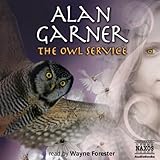
- Audible Audiobook
- Alan Garner (Author) - Wayne Forester (Narrator)
- English (Publication Language)
- 10/30/2008 (Publication Date) - Naxos AudioBooks (Publisher)
- Myth: The characters are simply puppets of ancient Welsh myths.
- Why it Matters: This view strips the characters of their agency and the internal struggles that make them compelling. It reduces their complex motivations to predetermined roles.
- Fix: Observe the characters’ internal conflicts, their attempts to understand or resist the forces acting upon them, and their individual psychological landscapes. While they echo mythic archetypes, their personal anguish and choices are central to the narrative’s impact.
Expert Tips for Engaging with The Owl Service
- Tip: Embrace the atmospheric and psychological resonance.
- Actionable Step: Read passages aloud to fully appreciate Garner’s precise, almost ritualistic prose and the way it builds a palpable sense of unease and ancient mystery.
- Common Mistake to Avoid: Focusing solely on plot mechanics. The novel’s power lies in its evocation of mood, its exploration of deep-seated psychological states, and the way it blurs the lines between reality and myth.
- Tip: Keep a running tally of mythic parallels.
- Actionable Step: As you encounter characters or events, note their connections to the Blodeuwedd myth and other relevant Welsh folklore. A simple chart or notes section can clarify these intricate links.
- Common Mistake to Avoid: Relying on memory to recall the complex web of allusions. Garner weaves these connections subtly, and a visual aid can help track how the mythic narrative informs the contemporary story.
- Tip: Resist the urge for definitive answers.
- Actionable Step: Allow the ambiguities and unresolved questions to linger. Contemplate the thematic implications of the open-ended conclusion rather than seeking a concrete resolution.
- Common Mistake to Avoid: Becoming frustrated by the lack of clear explanations. The novel’s enduring strength lies in its ability to provoke thought and leave a lasting, resonant impression, rather than providing simple answers.
BLOCKQUOTE_0
Thematic Analysis: The Owl Service by Alan Garner
The enduring power of The Owl Service by Alan Garner stems from its masterful exploration of several interconnected themes, primarily focusing on the cyclical nature of trauma, the construction of identity, and the pervasive influence of myth on human psychology. Garner employs the Welsh legend of Blodeuwedd—a woman created from flowers, who betrays her husband and is transformed into an owl—as a direct parallel to the lives of his protagonists, Gwyn, Roger, and Alison. This parallel is not merely illustrative; it suggests that certain archetypal patterns of betrayal, obsession, and transformation are inescapable, echoing through generations.
The novel meticulously details how these mythic patterns manifest in the characters’ lives. Alison, a young woman suffering from a perceived inability to form connections, becomes entangled with the myth through a set of ancient plates that depict its scenes. Her isolation and emotional distress mirror Blodeuwedd’s own unnatural creation and subsequent betrayal. Roger, her stepfather, exhibits a controlling and possessive nature, reflecting the patriarchal forces within the myth. Gwyn, a local boy with a mysterious past, embodies the wildness and tragic fate associated with the owl figure.
Garner’s genius lies in his refusal to present these as simple allegories. Instead, he portrays them as potent psychological forces that shape the characters’ perceptions and actions. The narrative’s fragmented structure and temporal shifts further emphasize how the past is not merely recalled but actively
Quick Comparison
| Option | Best for | Pros | Watch out |
|---|---|---|---|
| Who This Is For | General use | Readers seeking literary depth: This novel is for those who appreciate intric… | Mistake: Treating the mythological allusions as mere decorative elements rath… |
| What to Check First | General use | Those interested in the intersection of folklore and psychology: If you are d… | Mistake: Underestimating the active role of the setting and objects; Garner u… |
| Step-by-Step Plan Deconstructing The Owl Service by Alan Garner | General use | Awareness of the “Mabinogion”: While not a prerequisite, a basic understandin… | Mistake: Expecting a straightforward, chronological plot. The novel’s structu… |
| Common Myths About The Owl Service by Alan Garner | General use | Tolerance for Ambiguity: Garner deliberately crafts an elusive narrative. Rea… | Mistake: Viewing characters as passive victims. Their internal struggles and… |
Decision Rules
- If reliability is your top priority for The Owl Service by Alan Garner, choose the option with the strongest long-term track record and support.
- If value matters most, compare total ownership cost instead of headline price alone.
- If your use case is specific, prioritize fit-for-purpose features over generic ‘best overall’ claims.