Adam Silvera’s They Both Die At The End: A Poignant Story
Quick Answer
- Verdict: A compelling young adult novel that uses a unique premise to explore themes of mortality, connection, and the urgency of living.
- Core Strength: Its emotional resonance and the profound exploration of how awareness of death can illuminate the value of life and relationships.
- Consideration: The narrative relies on a speculative premise (Death-Cast) that requires reader acceptance for full engagement.
Who This Is For
- Readers who appreciate character-driven stories that delve into existential themes with emotional depth.
- Young adults and adults seeking a narrative that encourages reflection on life, love, and the importance of present moments.
What To Check First
- The Death-Cast Premise: The existence of a service that calls individuals on the day they will die is the foundational element of the novel. Understand that this is the narrative’s central conceit.
- Thematic Focus: The book is less about the mechanics of death and more about how the knowledge of impending death impacts how one chooses to live and connect.
- Character-Centric Narrative: The story primarily follows Mateo Torrez and Rufus Emeterio. Your engagement will depend on your connection to their individual journeys and their developing relationship.
- Emotional Intensity: Be prepared for a story that evokes strong emotions, including sadness, joy, and introspection. It is designed to be a moving experience.
Step-by-Step Plan: Navigating They Both Die At The End by Adam Silvera
This section provides a structured approach to reading Adam Silvera’s novel, emphasizing key elements for deeper comprehension and appreciation.
1. Acknowledge the Premise:
- Action: Read the opening chapters carefully, focusing on how Mateo and Rufus receive their “Death-Cast” calls.
- What to Look For: The immediate emotional and psychological impact of the calls on each protagonist, their initial reactions, and the societal context of this technology.
- Mistake to Avoid: Getting sidetracked by the scientific plausibility of Death-Cast; its function is to create narrative urgency, not to be technically analyzed.
2. Observe Character Contrast and Connection:
- Action: Track the initial interactions and developing relationship between Mateo and Rufus.
- What to Look For: The stark differences in their personalities and life circumstances, and how these differences begin to bridge as they spend their final day together. Note moments of vulnerability and shared experience.
- Mistake to Avoid: Assuming their connection will solely be romantic; the novel emphasizes a profound, albeit brief, friendship and mutual support.
3. Analyze the “Living Day” Choices:
- Action: Pay close attention to the activities Mateo and Rufus choose to engage in during their last day.
- What to Look For: The specific desires, regrets, and aspirations that drive their choices. How do these actions reflect their individual journeys and their growing bond?
- Mistake to Avoid: Underestimating the significance of their chosen experiences; each moment is imbued with the weight of finality and the desire for meaning.
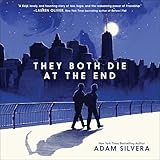
- Audible Audiobook
- Adam Silvera (Author) - Michael Crouch, Robbie Daymond, Bahni Turpin (Narrators)
- English (Publication Language)
- 09/05/2017 (Publication Date) - Quill Tree Books (Publisher)
4. Examine Thematic Underpinnings:
- Action: Reflect on the dialogues and internal monologues concerning life, death, and legacy.
- What to Look For: Instances where characters articulate their fears, hopes, and the lessons they’ve learned. How does the awareness of death shape their perception of life’s value?
- Mistake to Avoid: Viewing the novel solely as a tragedy; its core message is about the intensified appreciation for life that comes from confronting mortality.
5. Appreciate the Narrative Pacing and Structure:
- Action: Note the dual perspectives and the overall flow of the story as the day progresses.
- What to Look For: How the alternating viewpoints enhance empathy for both Mateo and Rufus. Consider how the foreknowledge of the ending influences your reading experience.
- Mistake to Avoid: Becoming impatient with the inevitable conclusion; the novel’s power resides in the journey and the connections formed, not the surprise of the ending.
6. Consider Societal Implications:
- Action: Observe subtle details about how the world has adapted to the existence of Death-Cast.
- What to Look For: Any societal norms, services, or attitudes that have emerged as a result of this technology.
- Mistake to Avoid: Expecting an extensive explanation of the Death-Cast’s origin or mechanics; the focus remains on the human experience within this reality.
Common Myths
- Myth: The novel is simply a tragic romance destined for heartbreak.
- Why it Matters: This perspective oversimplifies the narrative, reducing its thematic breadth to a single genre and outcome. It can lead readers to miss the broader messages about friendship, self-discovery, and the value of living.
- Fix: Recognize that while romance is present, the story is fundamentally about the profound, life-affirming connection between two individuals facing their mortality. The emphasis is on the journey and the shared experiences, not solely on the romantic aspect or the inevitable end.
- Myth: Because the title reveals the ending, the book lacks suspense and impact.
- Why it Matters: This assumption can lead readers to believe they already understand the emotional arc and therefore may disengage. The impact of the book comes from how the characters navigate their final day, not from the surprise of their fate.
- Fix: Shift focus from plot suspense to emotional and thematic exploration. The power of “They Both Die At The End by Adam Silvera” lies in witnessing the characters’ growth, their courage in the face of death, and the deep bonds they forge, regardless of the foregone conclusion.
They Both Die At The End by Adam Silvera: A Thematic Deep Dive
Adam Silvera’s “They Both Die At The End” is a poignant exploration of mortality, connection, and the preciousness of time. The novel centers on Mateo Torrez and Rufus Emeterio, two teenagers who receive a call from Death-Cast informing them that today is their last day. This speculative premise serves as a powerful catalyst, forcing the protagonists to confront their mortality and, in turn, to live their final hours with heightened awareness and purpose.
The narrative’s strength lies in its ability to transform a potentially grim subject into a vibrant testament to life. By stripping away the illusion of infinite time, Silvera compels Mateo and Rufus to re-evaluate their priorities and seek out meaningful experiences. Their unlikely connection, forged in the shadow of their shared fate, highlights the profound impact individuals can have on each other, even in the briefest of encounters. This theme underscores the novel’s central message: that awareness of death can illuminate the beauty and urgency of living fully and cherishing relationships.
Thematic Strengths and Limitations
The primary thematic strength of “They Both Die At The End by Adam Silvera” is its nuanced portrayal of mortality as a catalyst for living. The novel skillfully balances the sorrow and fear associated with dying with an affirmation of life’s value. The developing friendship between Mateo and Rufus exemplifies this, demonstrating how connection can provide solace and meaning. Their shared experiences, from the mundane to the extraordinary, are imbued with a unique significance precisely because they are finite.
However, a potential limitation for some readers might be the reliance on the Death-Cast premise, which requires a degree of suspension of disbelief. While it effectively drives the plot and thematic exploration, the novel does not delve deeply into the mechanics or societal implications of this technology. Readers who prefer more grounded narratives or detailed world-building might find this aspect less compelling, as the focus remains squarely on the emotional and personal journeys of the protagonists.
Decision Rules
- If your primary criterion for selecting a book is its ability to evoke deep emotional responses and provoke thought about life’s value, “They Both Die At The End” is a strong candidate.
- If you are seeking a narrative that prioritizes character development and thematic exploration over intricate plot mechanics or realistic world-building, this novel fits well.
- If you are sensitive to stories that deal with death and loss, consider approaching this book with emotional preparedness, as its impact is significant.
Quick Comparison
| Book Title/Author | Best For | Strengths | Considerations |
|---|---|---|---|
| They Both Die At The End by Adam Silvera | Readers seeking emotional depth and existential reflection. | Profound exploration of mortality as a catalyst for living; strong character bonds. | Requires suspension of disbelief for the Death-Cast premise; emotional intensity. |
| The Fault in Our Stars by John Green | Young adults exploring love and loss in the face of illness. | Witty dialogue; relatable teenage characters navigating serious themes. | Focus is primarily on romance and illness; may feel less broadly existential than Silvera’s work. |
| Every Day by David Levithan | Readers interested in unique perspectives on identity and connection. | Explores themes of self and relationships from a non-traditional viewpoint. | The shifting protagonist can be disorienting for some readers; less focus on immediate mortality. |
Expert Tips for Reading “They Both Die At The End”
To maximize your engagement with Adam Silvera’s novel, consider these practical recommendations.
- Tip 1: Embrace the Metaphorical Significance.
- Actionable Step: View the Death-Cast system not as a literal technological concept to be deconstructed, but as a powerful metaphor for the universal reality of our finite existence.
- Common Mistake to Avoid: Spending mental energy trying to logically reconcile the existence of Death-Cast; this detracts from the emotional and thematic core of the story.
- Tip 2: Prioritize Character Interaction over Plot Twists.
- Actionable Step: Focus on the evolving relationship between Mateo and Rufus, observing their vulnerabilities, shared moments, and the impact they have on each other’s final hours.
- Common Mistake to Avoid: Anticipating plot twists or surprises. The title itself reveals the ultimate outcome, so the narrative’s power lies in the journey and the emotional truth of the