Absalom, Absalom!: Faulkner’s Southern Gothic Masterpiece
William Faulkner’s Absalom, Absalom! is a monumental work of Southern Gothic literature, a complex and layered narrative that delves into the dark heart of the American South. The novel, published in 1936, explores themes of ambition, legacy, race, and the inescapable weight of the past through the rise and fall of Thomas Sutpen and his ambitious “design” to establish a dynasty. This piece is for readers seeking to understand the intricate structure and profound thematic depth of this challenging masterpiece.
Quick Answer
- For the dedicated reader: Absalom, Absalom! by William Faulkner is a demanding but rewarding exploration of Southern history and the corrosive nature of ambition.
- Key takeaway: Expect a fragmented narrative requiring active engagement to piece together its tragic story of a Southern dynasty.
- Not for casual reading: This novel is best approached by those willing to invest significant mental energy into its intricate prose and non-linear storytelling.
Who This Is For
- Readers interested in deep dives into American literary history and the Southern Gothic tradition.
- Those who appreciate complex narrative structures and are willing to work to uncover a story, rather than have it presented plainly.
For those seeking to delve into the depths of this literary masterpiece, acquiring a copy of William Faulkner’s Absalom, Absalom! is the essential first step.
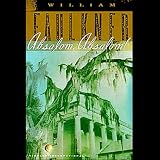
- Audible Audiobook
- William Faulkner (Author) - Grover Gardner (Narrator)
- English (Publication Language)
- 01/08/2008 (Publication Date) - Random House Audio (Publisher)
What to Check First
- Familiarity with Faulkner’s style: Faulkner’s prose is dense, cyclical, and often employs long, winding sentences. Understanding this stylistic approach beforehand can mitigate initial frustration.
- Historical context of the American South: The novel is steeped in the post-Civil War South, touching upon issues of slavery, race relations, and the lingering effects of Reconstruction.
- The novel’s narrative structure: Absalom, Absalom! is not told chronologically. It relies on multiple narrators and perspectives, each offering a piece of the puzzle.
Step-by-Step Plan to Reading Absalom, Absalom!
1. Begin with the Prologue/Opening: Action: Read the initial chapters carefully, paying close attention to Quentin Compson and Rosa Coldfield’s introductions. What to look for: The establishment of the central mystery surrounding Thomas Sutpen and his family, and the initial fragmented accounts of his past. Mistake to avoid: Assuming a linear plot will unfold; recognize early on that this is a story being recounted and reinterpreted.
2. Engage with Multiple Narrators: Action: As different characters (Quentin, Mr. Compson, Rosa Coldfield, Shreve) begin recounting Sutpen’s story, note whose perspective you are in and how it colors the events. What to look for: Contradictions, biases, and emotional inflections in their storytelling. Mistake to avoid: Favoring one narrator’s account as definitive truth; the power lies in the convergence and divergence of their memories.
3. Track the “Design”: Action: Identify Thomas Sutpen’s overarching ambition – his “design” to establish a dynasty. What to look for: The specific actions Sutpen takes to achieve this goal, from acquiring land to his marriages and his children. Mistake to avoid: Focusing solely on the sensational events without understanding the driving force behind them.
4. Unravel the Sutpen Family Tree: Action: Keep a rough chart or mental map of the Sutpen family members, their relationships, and their fates as they are revealed. What to look for: The tragic outcomes for Sutpen’s children, particularly Charles Bon and Henry Sutpen, and the complex legacy they leave. Mistake to avoid: Getting lost in the names and relationships; focus on the thematic implications of each family member’s story.
5. Analyze the Role of Race and Heritage: Action: Pay close attention to how race, particularly the presence of mixed-race heritage, becomes a central conflict in the narrative. What to look for: The societal and familial pressures that arise from these circumstances. Mistake to avoid: Underestimating the significance of racial dynamics in driving the plot and characters’ motivations.
6. Embrace the Ambiguity: Action: Accept that not all questions will be answered definitively, and some truths will remain elusive. What to look for: The lingering questions and the emotional resonance of the unresolved aspects. Mistake to avoid: Demanding concrete resolutions for every plot point; the power of Absalom, Absalom! often lies in its suggestion rather than its explicit statement.
Failure Modes When Reading Absalom, Absalom! by William Faulkner
A significant failure mode readers encounter with Absalom, Absalom! is the tendency to seek a singular, objective truth within its narrative. Faulkner deliberately constructs the novel through fragmented testimonies and subjective interpretations, making the very act of storytelling central to the story.
Failure Mode: The Quest for Definitive Facts. Readers often get bogged down trying to establish a concrete, chronological sequence of events or a single “correct” version of what happened. They might feel frustrated by contradictions between narrators and view them as errors rather than intentional literary devices. This leads to a feeling of being lost or confused, as the narrative resists a straightforward, factual reconstruction.
Early Detection:
- Increased reliance on external plot summaries: If you find yourself constantly checking cliff notes or plot summaries to “correct” the novel’s unfolding narrative, you are likely falling into this trap.
- Frustration with subjective accounts: Expressing sentiments like “But Rosa said X, and Mr. Compson said Y, which one is right?” indicates a struggle against the novel’s design.
- Difficulty in retaining character relationships: If the complex web of Sutpen family members and their connections remains a blur despite multiple readings, it suggests you are trying to map them onto a linear, factual schema that the book doesn’t provide.
Mitigation: Shift your focus from “what happened” to “how the story is told” and “what these different tellings reveal about the characters, history, and the South.” Embrace the ambiguity and the emotional truth embedded in the subjective accounts.
Absalom, Absalom! by William Faulkner: Themes and Strengths
Absalom, Absalom! by William Faulkner is renowned for its ambitious exploration of grand themes, weaving a complex tapestry of the American South’s past and its enduring impact.
| Theme | Description | Strengths Evident |
|---|---|---|
| <strong>The Weight of the Past</strong> | The narrative demonstrates how historical events, personal choices, and societal structures of the past irrevocably shape the present. | Faulkner masterfully uses the fragmented narrative to mirror the way history is remembered and interpreted, showing how different generations grapple with inherited legacies. |
| <strong>Ambition and Its Corrosive Nature</strong> | Thomas Sutpen’s relentless drive to establish a dynasty, his “design,” ultimately leads to destruction and moral decay. | The novel provides a stark portrayal of ambition unchecked by morality, illustrating its devastating consequences through the downfall of the Sutpen family. |
| <strong>Race and Identity</strong> | The presence of mixed-race heritage becomes a central, tragic element, exposing the deep-seated prejudices and hypocrisies of the era. | Faulkner tackles the complexities of racial identity and its social ramifications with unflinching honesty, making it a pivotal force in the narrative’s tragic arc. |
| <strong>The Nature of Storytelling</strong> | The novel itself is a meta-commentary on how stories are constructed, remembered, and transmitted, with each narrator offering a biased lens. | The polyvocal structure and unreliable narration are not flaws but deliberate choices that highlight the subjective nature of truth and the power of narrative. |
Concrete Takeaway: The strength of Absalom, Absalom! lies not in providing easy answers, but in its profound ability to immerse the reader in the process of uncovering a complex history, forcing a confrontation with the enduring consequences of ambition and prejudice.
Common Myths About Absalom, Absalom!
- Myth 1: Absalom, Absalom! is simply a story about a Southern family’s decline.
- Why it matters: This view oversimplifies the novel’s scope and thematic depth. It reduces a profound exploration of American history, race, and the nature of narrative to a mere family saga.
- Correction: While the Sutpen family’s fall is central, the novel uses their story as a microcosm to examine the broader historical and social forces that shaped the American South, particularly the enduring legacy of slavery and the destructive nature of unchecked ambition. The narrative’s fragmented structure itself is a commentary on how history is remembered and understood.
- Myth 2: The novel is unreadable due to its complex language and structure.
- Why it matters: This discourages readers from engaging with a significant work of literature by framing it as an insurmountable challenge. It suggests that the difficulty lies solely with the reader, rather than acknowledging Faulkner’s deliberate artistic choices.
- Correction: While Absalom, Absalom! demands active engagement, its complexity is a feature, not a bug. Faulkner’s dense prose and non-linear structure are tools designed to immerse the reader in the characters’ mental processes and the disorienting nature of memory and history. Approach it with patience and a willingness to re-read passages; the rewards are significant.
Expert Tips for Reading Absalom, Absalom!
- Tip 1: Embrace the “Chorus” of Voices.
- Action: Actively listen to the distinct voices of Quentin, Rosa Coldfield, Mr. Compson, and Shreve. Note their emotional states, their biases, and what they choose to emphasize or omit.
- Common Mistake to Avoid: Treating all narrators as equally objective or trying to find the “real” truth by averaging their accounts. The power is in the dissonance and overlap.
- Tip 2: Visualize the “Design” as a Blueprint.
- Action: As you read about Thomas Sutpen’s actions, try to conceptualize his “design” not just as a goal, but as a rigid, almost architectural plan he imposes on life, often with brutal disregard for human cost.
- Common Mistake to Avoid: Focusing only on the dramatic events (marriages, deaths, duels) without connecting them back to Sutpen’s overarching, often ruthless, ambition.
- Tip 3: Keep a Character/Timeline Sketchpad.
- Action: Use a notebook or a digital document to jot down key characters, their relationships, significant dates (even approximate ones), and major plot points as they emerge. Don’t aim for perfect accuracy initially, but rather for a working map.
- Common Mistake to Avoid: Trying to hold all the intricate family connections and chronological fragments in your head without external aids. This can lead to confusion and a feeling of being overwhelmed by the narrative’s complexity.
BLOCKQUOTE_0
This quote, from Faulkner’s Requiem for a Nun, encapsulates a core tenet of Absalom, Absalom!. The novel demonstrates how the events and decisions of previous generations continue to exert a palpable influence on the present, shaping characters’ identities and destinies in profound and often tragic ways.
FAQ
- Q: Is it okay to read a plot summary before or during reading Absalom, Absalom!?
- A: While many readers find it helpful to have a basic understanding of the family tree and the central mystery beforehand, relying too heavily on summaries can diminish the rewarding experience of piecing the narrative together yourself. Use them as a guide, not a replacement for reading.
- Q: What is the significance of the title Absalom, Absalom!?
- A: The title is a biblical allusion, referencing King David’s lament for his rebellious son Absalom. This echoes the tragic familial conflicts and the destructive consequences of ambition and betrayal within the Sutpen family, particularly concerning Thomas Sutpen and his sons.
- Q: How does Absalom, Absalom! compare to other Faulkner novels?
- A: It is often considered one of Faulkner’s most complex and ambitious works, sharing thematic concerns with The Sound and the Fury and Light in August regarding the burdens of the past and the Southern psyche. However, its narrative structure is arguably more intricate and challenging than many of his other novels.