A Gripping Tale Set In The Arctic Waters
Quick Answer
- The North Water by Ian McGuire is a brutal, atmospheric novel set on a 19th-century Arctic whaling ship, exploring themes of violence, morality, and the darkness within humanity.
- Readers seeking a meticulously crafted, unflinching descent into a harsh environment and complex characters will find it compelling.
- Those sensitive to graphic violence, bleak narratives, or seeking a fast-paced plot may find it challenging.
Who This Is For
- Readers who appreciate literary fiction that delves into the darker aspects of human nature and survival.
- Those interested in historical settings, particularly the unforgiving world of 19th-century Arctic whaling.
What to Check First
- Tolerance for Graphic Content: The novel does not shy away from extreme violence and disturbing acts.
- Patience for Pacing: The narrative is deliberate, focusing on atmosphere and character development over rapid plot progression.
- Appreciation for Bleakness: The tone is consistently grim and offers little in the way of optimistic resolution.
- Interest in Historical Detail: McGuire’s research into whaling practices and the Arctic environment is evident and forms a significant part of the experience.
For those seeking a meticulously crafted, unflinching descent into a harsh environment and complex characters, Ian McGuire’s ‘The North Water’ is a compelling choice.
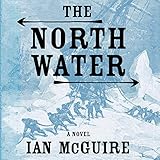
- Audible Audiobook
- Ian McGuire (Author) - John Keating (Narrator)
- English (Publication Language)
- 05/09/2016 (Publication Date) - Macmillan Audio (Publisher)
Step-by-Step Plan for Reading The North Water by Ian McGuire
1. Establish the Setting: Begin by immersing yourself in the descriptions of the ship The Volunteer and the frigid Arctic environment.
- What to look for: The palpable sense of isolation, the harshness of the weather, and the claustrophobia of shipboard life.
- Mistake to avoid: Rushing through these descriptive passages, as they are crucial for understanding the characters’ motivations and the story’s atmosphere.
2. Introduce Patrick Sumner: Pay close attention to the arrival of the disgraced surgeon, Patrick Sumner, and his initial impressions of the crew.
- What to look for: Sumner’s internal conflict, his attempts to maintain a semblance of order, and his growing unease.
- Mistake to avoid: Underestimating Sumner’s role; his perspective acts as a lens through which the reader experiences the unfolding horror.
3. Observe Henry Drax: Note the introduction of Henry Drax, the brutal harpooner, and his immediate impact on the ship’s dynamics.
- What to look for: Drax’s primal nature, his disregard for rules, and the fear he inspires.
- Mistake to avoid: Dismissing Drax as a simple villain; his character represents a more profound exploration of untamed savagery.
4. Track the Unraveling Morality: Follow the escalating incidents of violence and the erosion of moral boundaries among the crew.
- What to look for: The subtle shifts in behavior, the justifications for cruelty, and the normalization of barbarity.
- Mistake to avoid: Becoming desensitized to the violence; each act serves to deepen the thematic exploration of human depravity.
5. Analyze the Arctic’s Influence: Consider how the extreme environment amplifies the characters’ inner turmoil and their capacity for violence.
- What to look for: The parallels between the unforgiving landscape and the crew’s brutal actions.
- Mistake to avoid: Separating the setting from the plot; the Arctic is an active force shaping the narrative.
6. Engage with the Ethical Questions: Reflect on the moral dilemmas presented, particularly concerning justice, survival, and the nature of evil.
- What to look for: The lack of easy answers and the ambiguity of right and wrong in extreme circumstances.
- Mistake to avoid: Expecting a clear moral compass or a redemptive arc for all characters.
7. Consider the Ending’s Resonance: Process the conclusion, understanding that it aims to leave a lasting impression rather than provide neat closure.
- What to look for: The thematic implications of the final events and their commentary on the human behavior.
- Mistake to avoid: Seeking a traditional resolution; the ending is designed to be thought-provoking and unsettling.
The North Water by Ian McGuire: A Deep Dive into Its Themes
Ian McGuire’s The North Water plunges readers into the unforgiving Arctic waters of the mid-19th century, aboard the whaling ship The Volunteer. This is not a romanticized adventure; it is a visceral exploration of humanity pushed to its absolute limits. The novel excels in its detailed portrayal of the brutal realities of whaling, where survival often hinged on a willingness to engage in acts that would be considered monstrous in any other context. McGuire’s prose is precise and unflinching, creating a palpable sense of the cold, the isolation, and the pervasive scent of blubber and blood.
The narrative centers on two key figures: Patrick Sumner, a disgraced surgeon seeking to escape his past, and Henry Drax, a harpooner whose very existence seems to embody a primal, unrestrained savagery. Sumner’s arrival aboard The Volunteer marks the beginning of a descent into a moral abyss, as he witnesses and becomes entangled in a series of increasingly horrific events. The ship becomes a microcosm of human nature stripped bare, where the veneer of civilization is quickly eroded by the harsh environment and the darker impulses of its inhabitants.
A significant failure mode for readers engaging with The North Water is the expectation of a conventional plot structure or clear moral delineation. The novel’s strength lies in its atmosphere and its unflinching examination of brutality, which can be disorienting if one is looking for a hero’s journey or a straightforward antagonist. The story is less about what happens and more about the psychological and moral decay that unfolds.
Detecting Early Signs of Trouble
To detect if The North Water by Ian McGuire might be a challenging read for you, consider these early indicators:
- Discomfort with the opening atmosphere: If the initial descriptions of the ship, the crew’s behavior, and the stark environment evoke strong feelings of revulsion or unease rather than morbid curiosity.
- Impatience with descriptive passages: If you find yourself skipping over the detailed accounts of whaling practices, shipboard life, or the Arctic landscape, you may miss the foundational elements that make the novel’s thematic weight apparent.
- Anticipation of immediate action: If you are expecting a rapid plot to unfold from the outset, the deliberate pacing and focus on character introspection might feel slow.
Expert Tips for Navigating The North Water
BLOCKQUOTE_0
This quote encapsulates the raw, primal undercurrent of The North Water. To fully appreciate and navigate the novel’s challenging terrain, consider these practical tips.
1. Embrace the Atmosphere:
- Actionable Step: Dedicate time to fully absorb the descriptive passages detailing the ship, the sea, and the crew’s daily routines.
- Common Mistake to Avoid: Skimming these sections to get to the “plot.” The atmosphere is integral to the story’s psychological impact and thematic resonance.
2. Focus on Character Psychology:
- Actionable Step: Pay close attention to the internal monologues and subtle actions of characters like Sumner and Drax, even when their behavior is reprehensible.
- Common Mistake to Avoid: Judging characters solely by their actions without considering the context of their environment and their internal struggles. McGuire is exploring the capacity for darkness, not necessarily condemning individuals without nuance.
3. Prepare for Moral Ambiguity:
- Actionable Step: Approach the narrative with an open mind, ready to confront situations where right and wrong are blurred or nonexistent.
- Common Mistake to Avoid: Seeking clear heroes and villains or expecting a resolution that aligns with conventional morality. The novel deliberately challenges these expectations.
Common Myths About The North Water
- Myth: The North Water is just a violent historical adventure story.
- Correction: While violence is a prominent element, it serves as a vehicle for exploring deeper themes of morality, the nature of evil, and the psychological impact of extreme environments. The novel is a literary work first, using its setting and plot to dissect the human behavior.
- Myth: The book is impossible to get through due to its bleakness.
- Correction: While undeniably grim, the narrative is meticulously crafted and intellectually engaging. Its bleakness is purposeful, designed to provoke thought about survival, human nature, and the consequences of societal breakdown. For readers who appreciate literary depth and unflinching realism, the book offers a profound, albeit dark, reading experience.
Decision Rules
- If reliability is your top priority for The North Water by Ian McGuire, choose the option with the strongest long-term track record and support.
- If value matters most, compare total ownership cost instead of headline price alone.
- If your use case is specific, prioritize fit-for-purpose features over generic ‘best overall’ claims.
FAQ
- Q: Is The North Water suitable for someone who doesn’t typically enjoy historical fiction?
A: Yes, if you appreciate character-driven narratives and explorations of dark themes. The historical setting is meticulously rendered but serves the psychological and thematic aims of the novel, which may appeal beyond traditional historical fiction fans.
- Q: How graphic is the violence in The North Water?
A: The violence is explicit and often brutal, depicting acts of cruelty and depravity. Readers sensitive to graphic content should proceed with caution.
- Q: Is there a way to make the reading experience less overwhelming?
A: Reading it slowly, focusing on the prose and psychological depth, and being prepared for the thematic weight can help. Understanding that the bleakness is intentional and serves a literary purpose can also frame the experience.
- Q: What makes The North Water by Ian McGuire stand out from other maritime novels?
A: Its unflinching portrayal of human depravity against the stark, isolating backdrop of the Arctic, combined with its precise, literary prose, distinguishes it. It prioritizes psychological exploration and thematic depth over traditional adventure tropes.
| Aspect | Description | Reader Takeaway |
|---|---|---|
| Atmosphere | Palpable sense of cold, isolation, and the grim reality of 19th-century whaling. | Crucial for understanding |