James Clavell’s Epic: A Guide to Shogun
Shogun by James Clavell: Quick Answer
- Shogun by James Clavell is an expansive historical novel detailing English pilot John Blackthorne’s arrival in feudal Japan and his entanglement with samurai culture and political intrigue.
- Readers seeking immersive historical fiction with complex characters and a detailed depiction of 17th-century Japan will find this novel rewarding.
- The narrative demands patience due to its length and intricate plot, requiring focused engagement to fully appreciate its scope.
Who This Is For
- Readers who appreciate detailed historical settings and complex geopolitical maneuvering within a fictional narrative.
- Individuals looking for a substantial, character-driven epic that explores themes of culture clash, ambition, and survival.
What to Check First
- Your reading stamina: Shogun is a lengthy novel (over 1,000 pages). Ensure you are prepared for a significant time commitment.
- Interest in Japanese history and culture: The novel is deeply embedded in 17th-century Japanese society, politics, and customs. Familiarity or a strong interest will enhance comprehension.
- Tolerance for intricate plots: The story involves numerous characters, shifting alliances, and political machinations. A willingness to track these details is essential.
- Availability of a good edition: Consider an edition with clear typography and adequate spacing, as this can significantly impact readability for a long book.
Step-by-Step Plan for Engaging with Shogun by James Clavell
This plan outlines a structured approach to reading and appreciating the complexities of Shogun by James Clavell.
1. Familiarize yourself with the historical context: Before beginning, briefly research the Sengoku period of Japan (specifically around 1600).
- Action: Conduct a quick search for “Sengoku period Japan” or “William Adams Japan.”
- What to look for: Key historical figures like Tokugawa Ieyasu (Lord Yoshi Toranaga), William Adams (John Blackthorne), and the general political climate of warring daimyo.
- Mistake to avoid: Assuming the novel is a strict historical account; it is historical fiction, blending fact with dramatic license.
2. Identify the primary protagonists and antagonists early: Pay close attention to John Blackthorne, Lord Yoshi Toranaga, and Ishido Kazunari as they are introduced.
- Action: Note down the names of these central characters and their initial affiliations.
- What to look for: Their motivations, allegiances, and immediate goals as they are introduced.
- Mistake to avoid: Underestimating the significance of supporting characters; many play crucial roles in the unfolding plot.
3. Track the cultural differences and misunderstandings: Observe how Blackthorne’s Western perspective clashes with Japanese customs and vice versa.
- Action: Make a mental note or jot down specific instances of cultural friction or misunderstanding.
- What to look for: Examples of etiquette, honor codes, religious beliefs, and social hierarchies that differ from Blackthorne’s experience.
- Mistake to avoid: Judging characters solely by modern Western standards; understanding their actions within their own cultural framework is key.
4. Map out the political landscape: Keep a mental or physical note of the major feudal lords (daimyo) and their alliances or rivalries.
- Action: As new lords are introduced, note their primary faction (e.g., supporting Toranaga, opposing Toranaga).
- What to look for: Who supports Toranaga, who supports Ishido, and the neutral parties. Understand the stakes of their power struggle.
- Mistake to avoid: Getting lost in the names; focus on the primary players and their immediate impact on the central conflict.
For those eager to dive into this monumental work, securing a well-formatted edition of Shogun by James Clavell is key to a rewarding experience.
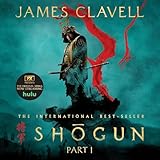
- Audible Audiobook
- James Clavell (Author) - Ralph Lister (Narrator)
- English (Publication Language)
- 12/12/2023 (Publication Date) - Blackstone Publishing (Publisher)
5. Note Blackthorne’s linguistic and cultural adaptation: Observe his journey from bewildered outsider to someone who begins to understand and even influence Japanese society.
- Action: Track Blackthorne’s progress in learning the Japanese language and his evolving understanding of their customs.
- What to look for: His learning of the language, his acceptance of samurai ways, and his growing strategic understanding.
- Mistake to avoid: Expecting him to remain a passive observer; Blackthorne is an active participant whose actions have consequences.
6. Engage with the thematic elements: Consider the novel’s exploration of duty, honor, faith, power, and the nature of leadership.
- Action: Reflect on how these themes are presented through character actions and plot developments.
- What to look for: Recurring motifs and how different characters embody or struggle with these themes.
- Mistake to avoid: Focusing solely on plot mechanics; the novel’s enduring power lies in its thematic depth.
7. Pace yourself: Break the novel into manageable sections. Reading a few chapters at a time, rather than trying to consume large chunks, can prevent fatigue.
- Action: Set daily or weekly reading goals (e.g., 30 pages per day, 2 chapters per sitting).
- What to look for: Periods of intense action, political maneuvering, and character development.
- Mistake to avoid: Rushing through descriptive passages; these details are crucial for building the immersive atmosphere.
Common Mistakes
- Mistake: Underestimating the novel’s length and complexity.
- Why it matters: Can lead to discouragement and abandoning the book before reaching its narrative payoff.
- Fix: Approach Shogun as a significant undertaking, setting aside dedicated reading time and being patient with the pace.
- Mistake: Judging 17th-century Japanese characters and actions solely through a modern Western lens.
- Why it matters: Prevents a nuanced understanding of the characters’ motivations, societal pressures, and the novel’s exploration of cultural relativity.
- Fix: Actively try to understand the characters’ actions within the context of feudal Japanese honor codes, social structures, and political realities.
- Mistake: Getting bogged down by the sheer number of Japanese names and titles.
- Why it matters: Can make it difficult to follow plot developments and character relationships.
- Fix: Focus on the primary characters and their immediate roles in the central conflict. Use a character list if available or jot down brief notes on key individuals as they appear.
- Mistake: Skipping descriptive passages or historical exposition.
- Why it matters: These passages are vital for building the immersive atmosphere and understanding the intricate political and social landscape of feudal Japan.
- Fix: Read these sections carefully; they provide context and depth that are integral to the narrative’s impact.
- Mistake: Expecting a straightforward adventure narrative from the outset.
- Why it matters: The initial chapters establish a complex world and introduce many characters, which can feel slow to readers expecting immediate action.
- Fix: Understand that the novel builds its world and characters deliberately. The action and intrigue intensify as the narrative progresses.
Decision Checklist for Reading Shogun
Use this checklist to determine if Shogun by James Clavell is the right book for your current reading interests.
- [ ] Interest in Detailed Historical Settings: Do you enjoy books that meticulously recreate a specific time and place?
- [ ] Patience for Lengthy Narratives: Are you prepared to invest significant time (1000+ pages) in a single novel?
- [ ] Appreciation for Complex Characters: Do you enjoy delving into the motivations and development of a large cast of characters?
- [ ] Fascination with Cultural Immersion: Are you interested in exploring the nuances of a culture vastly different from your own?
- [ ] Tolerance for Political Intrigue: Do you find stories involving power struggles, alliances, and betrayals engaging?
- [ ] Desire for Thematic Depth: Are you looking for a novel that explores significant themes beyond just plot progression?
Expert Tips for Reading Shogun
Tip 1: Utilize a Character Map
- Actionable Step: As you begin reading, create a simple chart or use a character list (if your edition provides one) to note the key characters, their primary allegiances (e.g., Lord Toranaga’s faction, Lord Ishido’s faction), and their initial roles.
- Common Mistake to Avoid: Trying to memorize every name and relationship immediately. This can lead to frustration. Focus on the central figures and their immediate connections first.
Tip 2: Embrace the
Quick Comparison
| Option | Best for | Pros | Watch out |
|---|---|---|---|
| Shogun by James Clavell Quick Answer | General use | Shogun by James Clavell is an expansive historical novel detailing English pi… | Mistake to avoid: Assuming the novel is a strict historical account; it is hi… |
| Who This Is For | General use | Readers seeking immersive historical fiction with complex characters and a de… | Mistake to avoid: Underestimating the significance of supporting characters;… |
| What to Check First | General use | The narrative demands patience due to its length and intricate plot, requirin… | Mistake to avoid: Judging characters solely by modern Western standards; unde… |
| Step-by-Step Plan for Engaging with Shogun by James Clavell | General use | Readers who appreciate detailed historical settings and complex geopolitical… | Mistake to avoid: Getting lost in the names; focus on the primary players and… |
Decision Rules
- If reliability is your top priority for Shogun by James Clavell, choose the option with the strongest long-term track record and support.
- If value matters most, compare total ownership cost instead of headline price alone.
- If your use case is specific, prioritize fit-for-purpose features over generic ‘best overall’ claims.