C. J. Sansom’s Dissolution: Historical Mystery
Quick Answer
- Dissolution by C. J. Sansom offers a richly detailed historical mystery set during the tumultuous Dissolution of the Monasteries in Tudor England.
- Its strengths lie in its meticulous historical accuracy, immersive atmosphere, and complex character-driven plot.
- This novel is recommended for readers who appreciate deep historical immersion and a deliberately paced, intricate mystery.
Who This Is For
- Readers seeking a meticulously researched historical fiction novel set during the 16th-century Tudor period, particularly those interested in the religious and political upheaval of Henry VIII’s reign.
- Fans of slow-burn mysteries that prioritize atmosphere, detailed plotting, and nuanced character development over rapid action sequences.
If you’re looking for a deeply immersive historical mystery, C. J. Sansom’s ‘Dissolution’ is an excellent choice. It masterfully blends historical accuracy with a compelling plot.
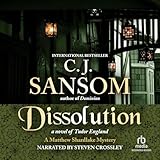
- Audible Audiobook
- C. J. Sansom (Author) - Steven Crossley (Narrator)
- English (Publication Language)
- 11/03/2011 (Publication Date) - Recorded Books (Publisher)
What to Check First
- Historical Context: The novel is set in November 1536, during the initial phase of Henry VIII’s Dissolution of the Monasteries. Understanding this historical backdrop is crucial for appreciating the narrative’s stakes and motivations.
- Protagonist’s Role: Matthew Shardlake is a lawyer, not a law enforcer. His investigation is driven by circumstance and royal decree, and his physical deformity (a hunchback) significantly impacts his social standing and interactions.
- Pacing: C. J. Sansom employs a deliberate, atmospheric pacing. Readers expecting a fast-paced thriller may find the detailed descriptions and character introspection slow.
- Series Context: Dissolution is the first novel in the Matthew Shardlake series. While it functions as a standalone story, awareness of its place in the series can enhance appreciation of Shardlake’s ongoing development.
Step-by-Step Plan: Investigating Dissolution by C. J. Sansom
1. Immerse in the Setting: Absorb the detailed descriptions of Scarnsea Monastery and its surroundings.
- What to Look For: Sansom’s use of sensory details—the cold, damp air, the scent of decay, the sounds of monastic life—to create a palpable sense of place and time.
- Mistake to Avoid: Skimming descriptive passages; these are fundamental to the novel’s historical authenticity and Shardlake’s disorientation.
2. Observe Shardlake’s Methodology: Follow Matthew Shardlake’s analytical and observational approach to the investigation.
- What to Look For: Shardlake’s reliance on legal reasoning, his careful dissection of testimonies, and his quiet observation of human behavior.
- Mistake to Avoid: Underestimating the impact of Shardlake’s physical challenges; they profoundly influence how he is perceived and how he navigates the social landscape.
3. Analyze Character Interactions: Examine the complex relationships and underlying tensions among the monks and staff.
- What to Look For: Subtle shifts in alliances, veiled accusations, and the hidden personal histories that contribute to potential motives for murder.
- Mistake to Avoid: Accepting characters at face value; Sansom skillfully crafts individuals with secrets and potential for duplicity, often masked by piety or fear.
4. Identify Subtle Clues: Pay close attention to seemingly minor details, overheard conversations, and recurring motifs.
- What to Look For: Inconsistencies in statements, symbolic objects, and theological arguments that may serve as misdirection or contain genuine leads.
- Mistake to Avoid: Focusing solely on overt acts of violence; the most critical clues are often embedded within the fabric of daily monastic life or religious discourse.
5. Contextualize the Historical Stakes: Understand how the Dissolution of the Monasteries impacts the characters and the narrative.
- What to Look For: The palpable fear, greed, and desperation generated by the impending closure of religious houses and the seizure of their assets.
- Mistake to Avoid: Treating the murder as an isolated incident, separate from the era’s profound political and religious upheaval; the events are intrinsically linked.
6. Appreciate the Narrative Structure: Recognize Sansom’s deliberate pacing and its role in building suspense and historical immersion.
- What to Look For: The gradual unfolding of the plot, which allows for thorough exploration of the historical period, the characters’ psychologies, and the development of the mystery.
- Mistake to Avoid: Expecting a rapid resolution; Sansom’s narrative strategy prioritizes a deep dive into the era and the characters’ internal lives.
Dissolution by C. J. Sansom: A Deep Dive into Tudor Intrigue
Dissolution by C. J. Sansom is a masterclass in historical atmosphere and intricate plotting, transporting readers to the heart of Tudor England during a period of profound upheaval. The novel centers on lawyer Matthew Shardlake, dispatched to the remote Scarnsea Monastery to investigate the murder of a royal commissioner. Sansom’s commitment to historical accuracy is evident in every detail, from the descriptions of monastic life and the architectural decay to the political machinations of Henry VIII’s court. The atmosphere is thick with the damp chill of the monastery, the scent of woodsmoke, and the palpable tension of a nation undergoing radical religious and social transformation.
The narrative strength of Dissolution by C. J. Sansom lies in its immersive quality, where the historical setting is not merely a backdrop but an active force shaping the characters and the mystery. For instance, the detailed exploration of monastic practices and the theological debates of the era provide essential context for understanding the characters’ motivations and the potential sources of conflict. Shardlake, with his hunchback and his outsider status, offers a unique perspective, his legal mind meticulously piecing together clues amidst superstition and fear. The novel’s thematic exploration of faith, corruption, and the erosion of tradition is woven seamlessly into the mystery, making it a compelling examination of human nature during times of societal change.
A crucial decision criterion for readers considering Dissolution is their tolerance for deliberate pacing. If your preference leans towards fast-paced thrillers with immediate action, the novel’s detailed historical immersion and character introspection might feel slow. However, for those who savor rich historical detail, nuanced character development, and a mystery that rewards careful observation, this novel offers a deeply satisfying experience. The strength of the book is its ability to make the reader feel present in 16th-century England, grappling with the same ambiguities and dangers as Shardlake.
BLOCKQUOTE_0
This quote, representative of the novel’s thematic concerns, underscores how periods of significant societal change can expose both the best and worst of human nature, forcing individuals to confront their loyalties and beliefs.
Common Myths About Dissolution by C. J. Sansom
- Myth: The novel is a straightforward whodunit with a simple solution.
- Why it Matters: This expectation can lead to disappointment if the reader anticipates a quick reveal. Sansom’s plots are layered, involving multiple motives and red herrings that are gradually unraveled.
- Fix: Approach the mystery as an exploration of complex human motivations within a specific historical context. The solution is earned through careful deduction and understanding the interplay of personal and political factors.
- Myth: Matthew Shardlake is a typical heroic detective.
- Why it Matters: Shardlake is a more complex character, defined by his physical challenges and his often-uncomfortable position in society. He is not a swashbuckling hero but a man of intellect and resilience navigating a difficult world.
- Fix: Understand Shardlake as a man whose vulnerabilities are as important to his character as his strengths. His physical deformity consistently shapes his experiences and the dynamics within the narrative.
- Myth: The historical details are secondary to the plot.
- Why it Matters: This overlooks one of the novel’s primary strengths. The historical setting is integral to the plot, influencing character actions, motivations, and the very nature of the crime.
- Fix: Actively engage with the historical context provided. The details about monastic life, the Dissolution, and Tudor society are not mere decoration; they are essential to understanding the narrative and the characters’ choices.
Expert Tips for Reading Dissolution
- Tip: Pay close attention to the theological debates and their potential to mask other motives.
- Actionable Step: Note down any discussions or arguments related to religious doctrine or heresy, as these can often be proxies for personal grievances or political maneuvering.
- Common Mistake to Avoid: Dismissing religious discourse as mere period flavor; in this era, theological differences had profound real-world consequences and could easily be used to hide criminal intent.
- Tip: Utilize the glossary or historical notes if provided by the publisher.
- Actionable Step: Refer to any appended glossaries or notes to clarify unfamiliar terms, customs, or historical figures mentioned in the text.
- Common Mistake to Avoid: Skipping these supplementary materials; they are designed to enhance comprehension and provide context that makes the reading experience smoother and more rewarding.
- Tip: Consider the impact of Shardlake’s physical condition on his interactions and perceptions.
- Actionable Step: Observe how others react to Shardlake’s hunchback and how this influences his access to information or the assumptions made about him by various characters.
- Common Mistake to Avoid: Forgetting Shardlake’s physical difference after its initial introduction; it consistently shapes his experiences and the dynamics within the narrative.
Table of Contents Overview
| Section | Focus | Key Takeaway |
|---|---|---|
| Quick Answer | Core summary and recommendation | Dissolution is a detailed Tudor mystery for patient readers. |
| Who This Is For | Target audience identification | Ideal for historical fiction fans and lovers of intricate, atmospheric plots. |
| What to Check First | Prerequisite knowledge and expectations | Understand the historical context and protagonist’s unique position. |
Decision Rules
- If reliability is your top priority for Dissolution by C. J. Sansom, choose the option with the strongest long-term track record and support.
- If value matters most, compare total ownership cost instead of headline price alone.
- If your use case is specific, prioritize fit-for-purpose features over generic ‘best overall’ claims.